
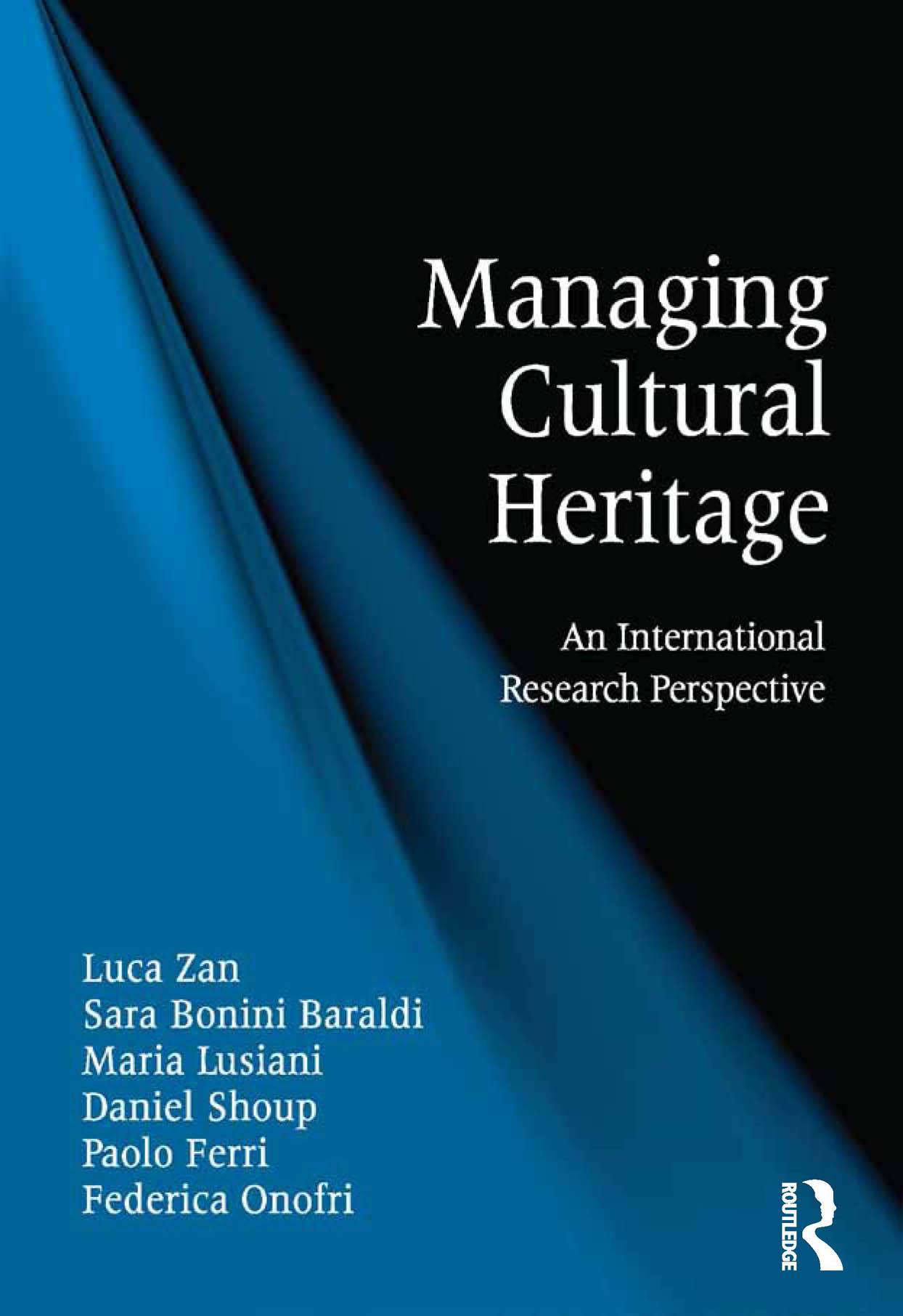
Since the 1990s, heritage studies has emerged as a distinct academic field, and practices and rhetoric drawn from mainstream corporate management and strategic planning have become widespread. Based on extensive research, this book is an in-depth investigation of management practices rather than policies, based on a variety of case studies from around the world.
The authors take the issue of management in heritage seriously, but also take into account the role of other disciplines within heritage organizations. In particular, they focus on sustainability in terms of financial resources, human resources, knowledge management, and the relationship with the audience and communities of scholars. The book opens with a methodological introduction that discusses what it means to do research on management, and why international comparative research is essential. The body of the text engages issues of heritage and management through five distinct analytical lenses: management and the process of change, institutional settings and business models, change and planning, the Heritage Chain, and the space between policy and practice. Each of these five sections includes a chapter introducing the analytical framework and possible implications, followed by case histories from China, Italy, Malta, Turkey, and Peru. The book ends with a chapter of concluding reflections.
Betala smidigt med kort, Klarna, Apple Pay eller Google Pay. Är du inte nöjd har du alltid 14 dagars ångerrätt. Läs mer i våra villkor. Har du några frågor, mejla oss på hello@memmo.org.
Memmo gör det enklare att plugga – var du än är i världen. Hos oss samlar du kursböcker och smarta studieverktyg på ett och samma ställe: sammanfattningar, quiz, poddar och flashcards. Och så Ted, din studiekompis som svarar på allt du undrar. Över 50 000 studenter pluggar redan här – byggt för att du ska lära dig snabbare och stressa mindre.