
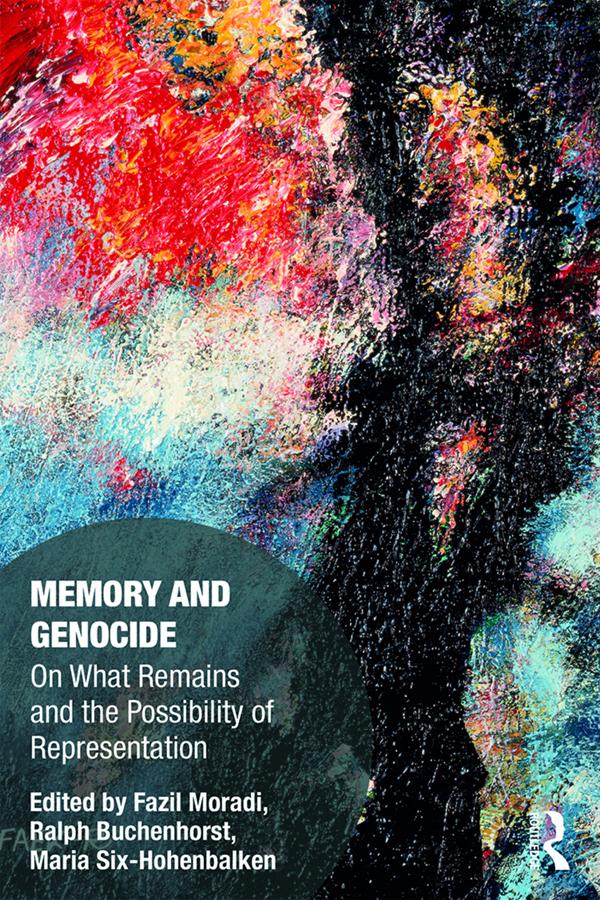
This book focuses on the ethical, aesthetic, and scholarly dimensions of how genocide-related works of art, documentary films, poetry and performance, museums and monuments, music, dance, image, law, memory narratives, spiritual bonds, and ruins are translated and take place as translations of acts of genocide. It shows how genocide-related modes of representation are acts of translation which displace and produce memory and acts of remembrance of genocidal violence as inheritance of the past in a future present. Thus, the possibility of representation is examined in light of what remains in the aftermath where the past and the future are inseparable companions and we find the idea of the untranslatability in acts of genocide. By opening up both the past and lived experiences of genocidal violence as and through multiple acts of translation, this volume marks a heterogeneous turn towards the future, and one which will be of interest to all scholars and students of memory and genocide studies, transitional justice, sociology, psychology, and social anthropology.
Betala smidigt med kort, Klarna, Apple Pay eller Google Pay. Är du inte nöjd har du alltid 14 dagars ångerrätt. Läs mer i våra villkor. Har du några frågor, mejla oss på hello@memmo.org.
Memmo gör det enklare att plugga – var du än är i världen. Hos oss samlar du kursböcker och smarta studieverktyg på ett och samma ställe: sammanfattningar, quiz, poddar och flashcards. Och så Ted, din studiekompis som svarar på allt du undrar. Över 50 000 studenter pluggar redan här – byggt för att du ska lära dig snabbare och stressa mindre.