
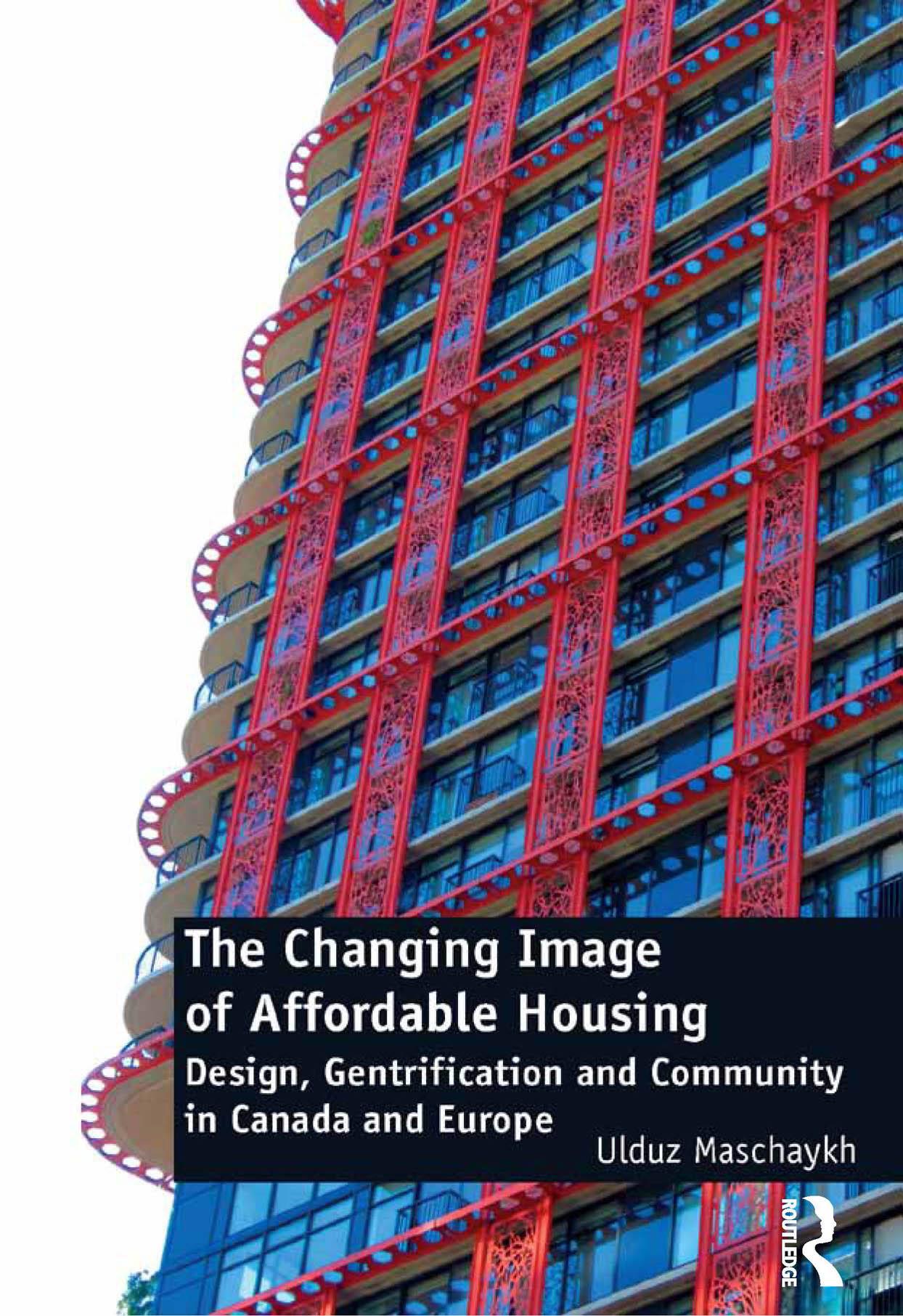
Illustrated by a range of case studies of affordable housing options in Canada, this book examines the liveability and affordability of twenty-first-century residential architecture. Focussing on the architects’ and communities’ commitment to these housing programmes, as well as that of the private building sector, it stresses the importance of the context of the neighbourhoods in which they are placed, which are either in the process of urban transition or already gentrified. In doing so, the book shows how, and to what extent, twenty-first-century dwelling architecture developments can help to create an integrated sense of community, diminish social and demographic exclusions in a neighbourhood and incorporate people’s desires as to what their buildings should look like. This book shows that there are significant architectural projects that help to meet the needs and desires of low- to middle-income households as well as homeowners, and that gentrification does not necessarily lead to the displacement of low-income families and singles if housing policies such as those highlighted in this book are put into place. Moreover, the migration of the middle class can result in a healthy mix of classes out of which everyone can enjoy a peaceful and habitable coexistence.
Betala smidigt med kort, Klarna, Apple Pay eller Google Pay. Är du inte nöjd har du alltid 14 dagars ångerrätt. Läs mer i våra villkor. Har du några frågor, mejla oss på hello@memmo.org.
Memmo gör det enklare att plugga – var du än är i världen. Hos oss samlar du kursböcker och smarta studieverktyg på ett och samma ställe: sammanfattningar, quiz, poddar och flashcards. Och så Ted, din studiekompis som svarar på allt du undrar. Över 75 000 studenter pluggar redan här – byggt för att du ska lära dig snabbare och stressa mindre.
Du kanske också gillar
Köp boken0