
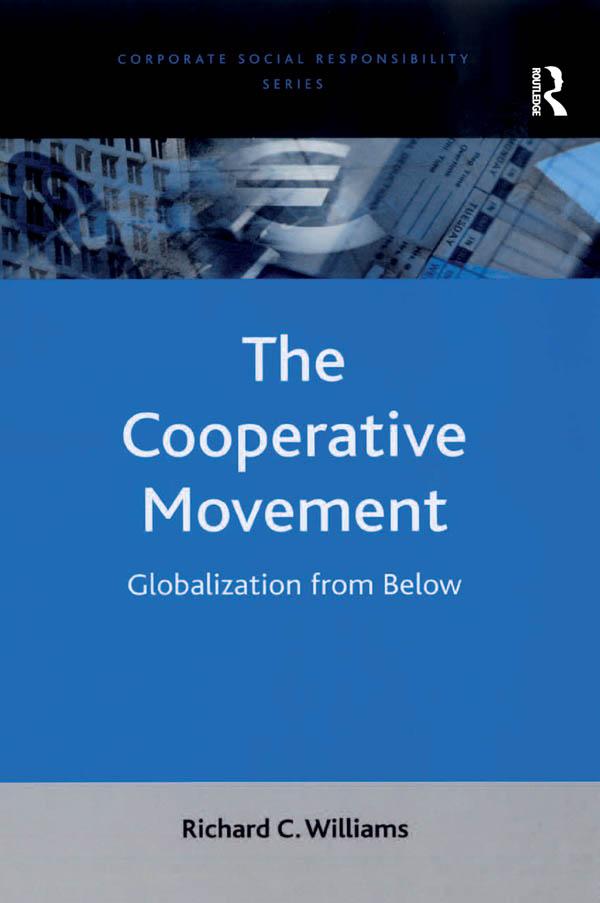
Richard Williams surveys the history of the cooperative movement from its origins in the 18th century and deals with the theory of cooperation, as contrasted with the 'Standard Economic Model', based on competition. The book contains the results of field studies of a number of successful cooperatives both in the developed and developing world. It includes insights from personal interviews of cooperative members and concludes by considering the successes and challenges of the cooperative movement as an alternative to the global neo-colonialism and imperialism that now characterizes free-market capitalist approaches to globalization. The book considers democratic and local control of essential economic activities such as the production, distribution, and retailing of goods and services. It suggests that cooperative approaches to these economic activities are already reducing poverty and resulting in equitable distributions of wealth and income without plundering the resources of developing countries.
Sidor: 252
Kategori: Ekonomi & Utveckling
e-ISBN: 9781317037262
Fraktvikt: 1.2 kg
Skickas inom: 1-2 dagar
Betala smidigt med kort, Klarna, Apple Pay eller Google Pay. Är du inte nöjd har du alltid 14 dagars ångerrätt. Läs mer i våra villkor. Har du några frågor, mejla oss på hello@memmo.org.
Memmo gör det enklare att plugga – var du än är i världen. Hos oss samlar du kursböcker och smarta studieverktyg på ett och samma ställe: sammanfattningar, quiz, poddar och flashcards. Och så Ted, din studiekompis som svarar på allt du undrar. Över 50 000 studenter pluggar redan här – byggt för att du ska lära dig snabbare och stressa mindre.
Du kanske också gillar
Köp boken0