
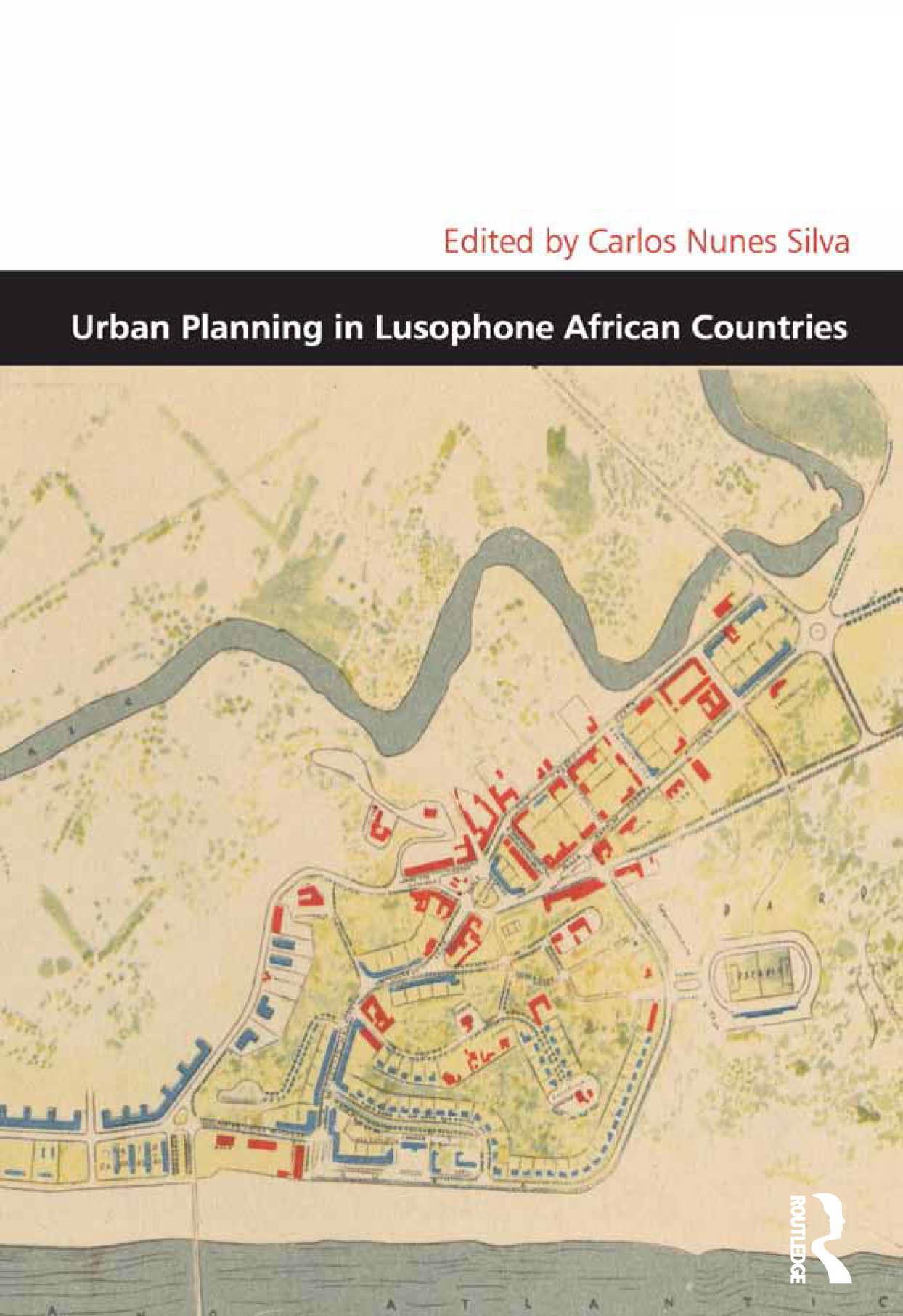
Urban planning on the five Lusophone African countries - Angola, Cape Verde, Guinea-Bissau, Mozambique, and Sao Tome and PrÃncipe - has so far been relatively overlooked in planning literature. Bringing together a team of leading scholars, this book fills the gap by providing an in-depth analysis of key issues in the history of urban planning and discussing the key challenges confronting contemporary urban planning in these countries. The book argues that urban planning is a non-neutral and non-value free kind of public action and, therefore, ideology, planning theories, urban models and the ideological role urban planning has played are some of the key issues addressed. For that reason, the practice of Urban Planning is also seen as the outcome of a complex interrelationship between structure and agency, with the role of key planers being examined in some of the chapters. The findings and insights presented by the contributing authors confirm previous research on urban planning in the colonial and postcolonial periods in Lusophone African countries and at the same time break fresh ground and offer additional insights as new evidence has been collected from archives and in fieldwork carried out by a new generation of researchers. In addition, it outlines possible directions for future research.
Betala smidigt med kort, Klarna, Apple Pay eller Google Pay. Är du inte nöjd har du alltid 14 dagars ångerrätt. Läs mer i våra villkor. Har du några frågor, mejla oss på hello@memmo.org.
Memmo gör det enklare att plugga – var du än är i världen. Hos oss samlar du kursböcker och smarta studieverktyg på ett och samma ställe: sammanfattningar, quiz, poddar och flashcards. Och så Ted, din studiekompis som svarar på allt du undrar. Över 75 000 studenter pluggar redan här – byggt för att du ska lära dig snabbare och stressa mindre.
Du kanske också gillar
Köp boken0