
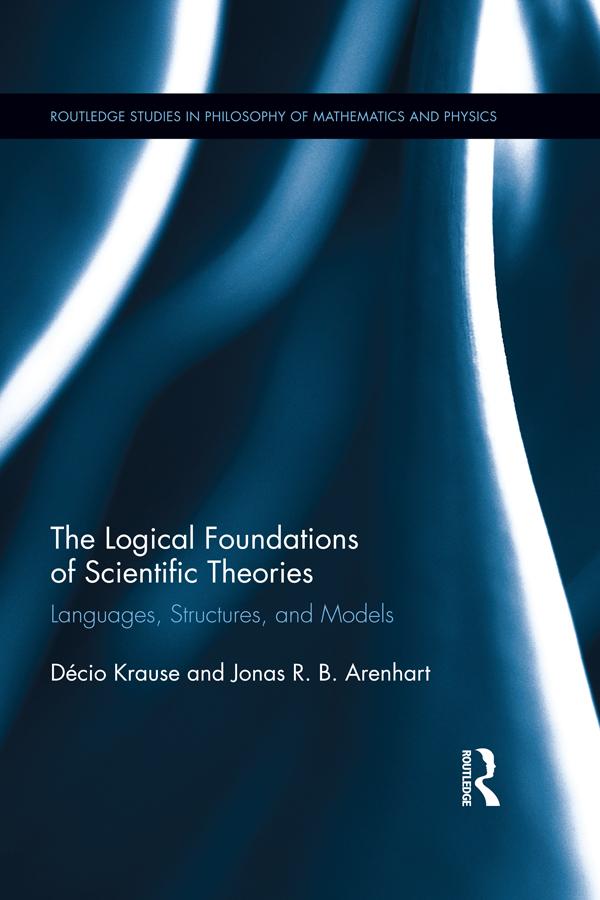
This book addresses the logical aspects of the foundations of scientific theories. Even though the relevance of formal methods in the study of scientific theories is now widely recognized and regaining prominence, the issues covered here are still not generally discussed in philosophy of science. The authors focus mainly on the role played by the underlying formal apparatuses employed in the construction of the models of scientific theories, relating the discussion with the so-called semantic approach to scientific theories. The book describes the role played by this metamathematical framework in three main aspects: considerations of formal languages employed to axiomatize scientific theories, the role of the axiomatic method itself, and the way set-theoretical structures, which play the role of the models of theories, are developed. The authors also discuss the differences and philosophical relevance of the two basic ways of aximoatizing a scientific theory, namely Patrick Suppes’ set theoretical predicates and the "da Costa and Chuaqui" approach. This book engages with important discussions of the nature of scientific theories and will be a useful resource for researchers and upper-level students working in philosophy of science.
Betala smidigt med kort, Klarna, Apple Pay eller Google Pay. Är du inte nöjd har du alltid 14 dagars ångerrätt. Läs mer i våra villkor. Har du några frågor, mejla oss på hello@memmo.org.
Memmo gör det enklare att plugga – var du än är i världen. Hos oss samlar du kursböcker och smarta studieverktyg på ett och samma ställe: sammanfattningar, quiz, poddar och flashcards. Och så Ted, din studiekompis som svarar på allt du undrar. Över 50 000 studenter pluggar redan här – byggt för att du ska lära dig snabbare och stressa mindre.