
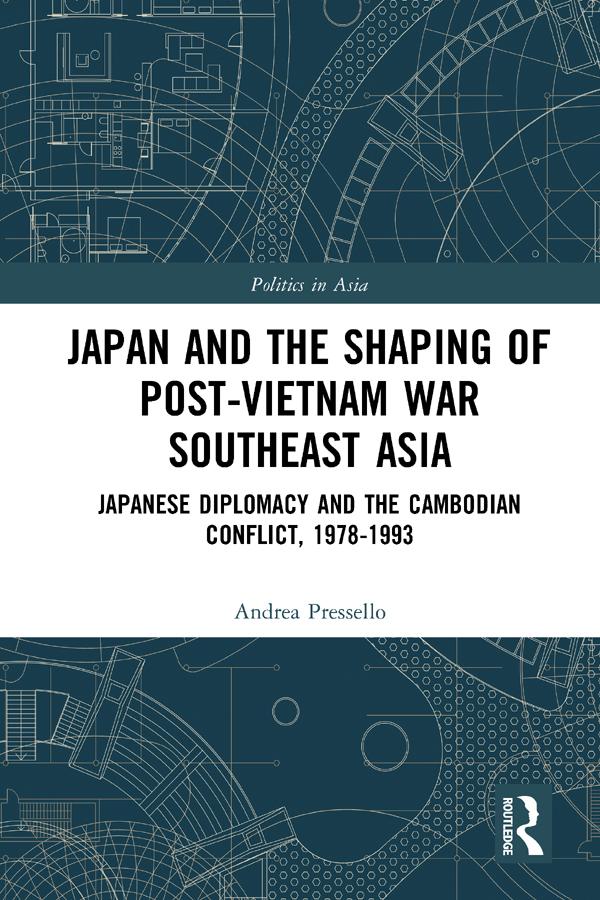
The Vietnamese invasion of Cambodia in 1978 and the consequent outbreak of the Cambodian conflict brought Southeast Asia into instability and deteriorated relations between Vietnam and the subsequently established Vietnam-backed government in Cambodia on the one hand and the Association of Southeast Asian Nations (ASEAN) countries on the other. As a result of the conflict, the Soviet Union established a foothold in Southeast Asia while China, through its support of the anti-Vietnam Cambodian resistance, improved relations with Southeast Asian countries such as Thailand. Japan's Fukuda Doctrine - it’s declared priorities of promoting cooperative and friendly relations between Communist Indochinese nations and non-Communist ASEAN countries – became increas¬ingly at odds with Japan’s role as a member of the Free World in the broader Cold War confrontation. Tokyo had to steer a path between Washington’s hard-line policy of isolating Vietnam and its own desire to prevent regional destabilization. Against this background, this book addresses the following questions: what was Japan’s response to the challenges to its objectives and interests in Southeast Asia and to the Fukuda Doctrine? What role did Japan play for the settlement of the conflict in Cambodia? How did Japan’s diplomacy on the Cambodian problem affect the Japanese role in the region? It argues that Japan’s contribution was more active than has widely been recognized.
Betala smidigt med kort, Klarna, Apple Pay eller Google Pay. Är du inte nöjd har du alltid 14 dagars ångerrätt. Läs mer i våra villkor. Har du några frågor, mejla oss på hello@memmo.org.
Memmo gör det enklare att plugga – var du än är i världen. Hos oss samlar du kursböcker och smarta studieverktyg på ett och samma ställe: sammanfattningar, quiz, poddar och flashcards. Och så Ted, din studiekompis som svarar på allt du undrar. Över 50 000 studenter pluggar redan här – byggt för att du ska lära dig snabbare och stressa mindre.
Du kanske också gillar
Köp boken0