
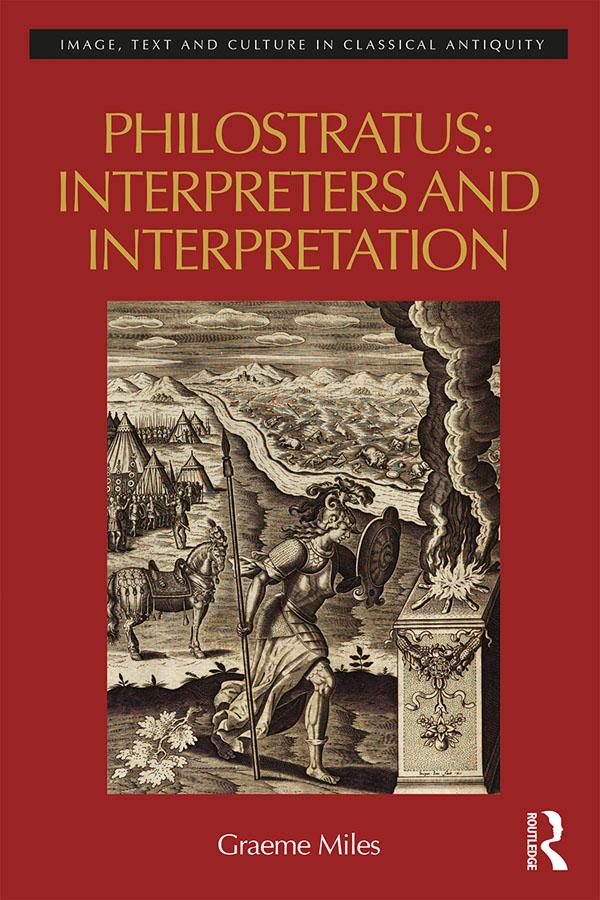
Philostratus is one of the greatest examples of the vitality and inventiveness of the Greek culture of his period, at once a one-man summation of contemporary tastes and interests and a strikingly individual re-inventor of the traditions in which he was steeped. This Roman-era engagement with the already classical past set important precedents for later understandings of classical art, literature and culture. This volume examines the ways in which the labyrinthine Corpus Philostrateum represents and interrogates the nature of interpretation and the interpreting subject. Taking ‘interpretation’ broadly as the production of meaning from objects that are considered to bear some less than obvious significance, it examines the very different interpreter figures presented: Apollonius of Tyana as interpreter of omens, dreams and art-works; an unnamed Vinetender and the dead Protesilaus as interpreters of heroes; and the sophist who emotively describes a gallery full of paintings, depicting in the process both the techniques of educated viewing and the various errors and illusions into which a viewer can fall.
Betala smidigt med kort, Klarna, Apple Pay eller Google Pay. Är du inte nöjd har du alltid 14 dagars ångerrätt. Läs mer i våra villkor. Har du några frågor, mejla oss på hello@memmo.org.
Memmo gör det enklare att plugga – var du än är i världen. Hos oss samlar du kursböcker och smarta studieverktyg på ett och samma ställe: sammanfattningar, quiz, poddar och flashcards. Och så Ted, din studiekompis som svarar på allt du undrar. Över 50 000 studenter pluggar redan här – byggt för att du ska lära dig snabbare och stressa mindre.