
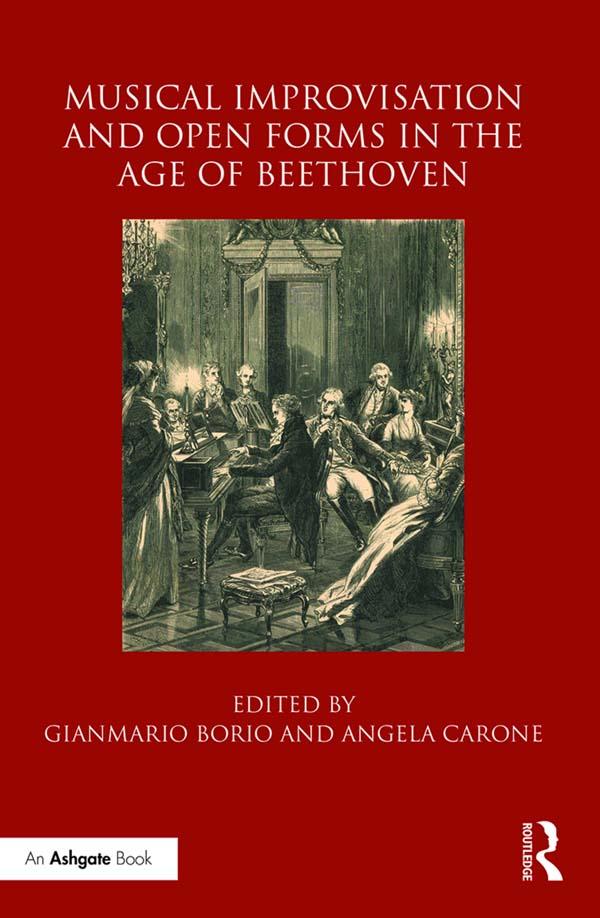
Improvisation was a crucial aspect of musical life in Europe from the late eighteenth century through to the middle of the nineteenth, representing a central moment in both public occasions and the private lives of many artists. Composers dedicated themselves to this practice at length while formulating the musical ideas later found at the core of their published works; improvisation was thus closely linked to composition itself. The full extent of this relation can be inferred from both private documents and reviews of concerts featuring improvisations, while these texts also inform us that composers quite often performed in public as both improvisers and interpreters of pieces written by themselves or others. Improvisations presented in concert were distinguished by a remarkable degree of structural organisation and complexity, demonstrating performers’ consolidated abilities in composition as well as their familiarity with the rules for improvising outlined by theoreticians.
Betala smidigt med kort, Klarna, Apple Pay eller Google Pay. Är du inte nöjd har du alltid 14 dagars ångerrätt. Läs mer i våra villkor. Har du några frågor, mejla oss på hello@memmo.org.
Memmo gör det enklare att plugga – var du än är i världen. Hos oss samlar du kursböcker och smarta studieverktyg på ett och samma ställe: sammanfattningar, quiz, poddar och flashcards. Och så Ted, din studiekompis som svarar på allt du undrar. Över 50 000 studenter pluggar redan här – byggt för att du ska lära dig snabbare och stressa mindre.