
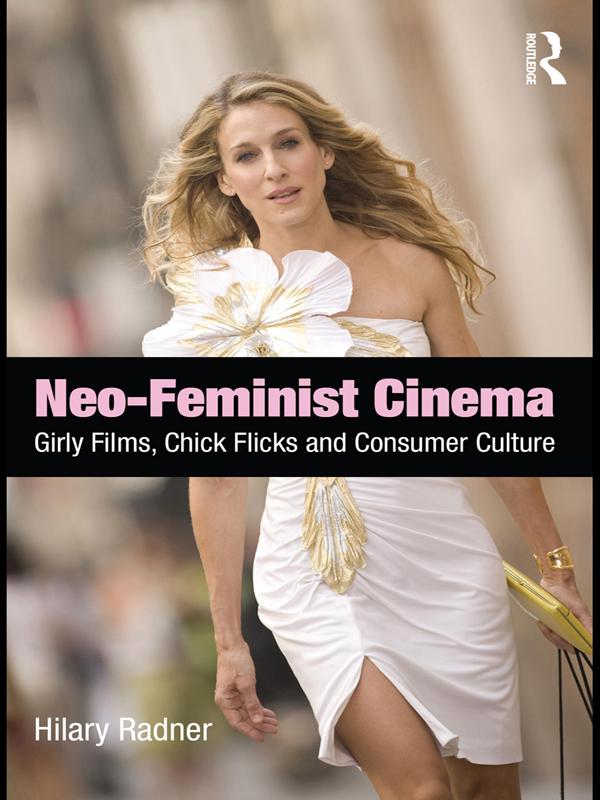
What lies behind current feminist discontent with contemporary cinema?
Through a combination of cultural and industry analysis, Hilary Radner’s Neo-Feminist Cinema: Girly Films, Chick Flicks and Consumer Culture shows how the needs of conglomerate Hollywood have encouraged an emphasis on consumer culture within films made for women. By exploring a number of representative "girly films," including Pretty Woman, Legally Blonde, Maid in Manhattan, The Devil Wears Prada, and Sex and the City: The Movie, Radner proposes that rather than being "post-feminist," as is usually assumed, such films are better described as "neo-feminist." Examining their narrative format, as it revolves around the story of an ambitious unmarried woman who defines herself through consumer culture as much as through work or romance, Radner argues that these films exemplify neo-liberalist values rather than those of feminism.
As such, Neo-Feminist Cinema offers a new explanation as to why feminist-oriented scholars and audiences who are seeking more than "labels and love" from their film experience have viewed recent "girly films" as a betrayal of second-wave feminism, and why, on the other hand, such films have proven to be so successful at the box office.
Betala smidigt med kort, Klarna, Apple Pay eller Google Pay. Är du inte nöjd har du alltid 14 dagars ångerrätt. Läs mer i våra villkor. Har du några frågor, mejla oss på hello@memmo.org.
Memmo gör det enklare att plugga – var du än är i världen. Hos oss samlar du kursböcker och smarta studieverktyg på ett och samma ställe: sammanfattningar, quiz, poddar och flashcards. Och så Ted, din studiekompis som svarar på allt du undrar. Över 50 000 studenter pluggar redan här – byggt för att du ska lära dig snabbare och stressa mindre.