
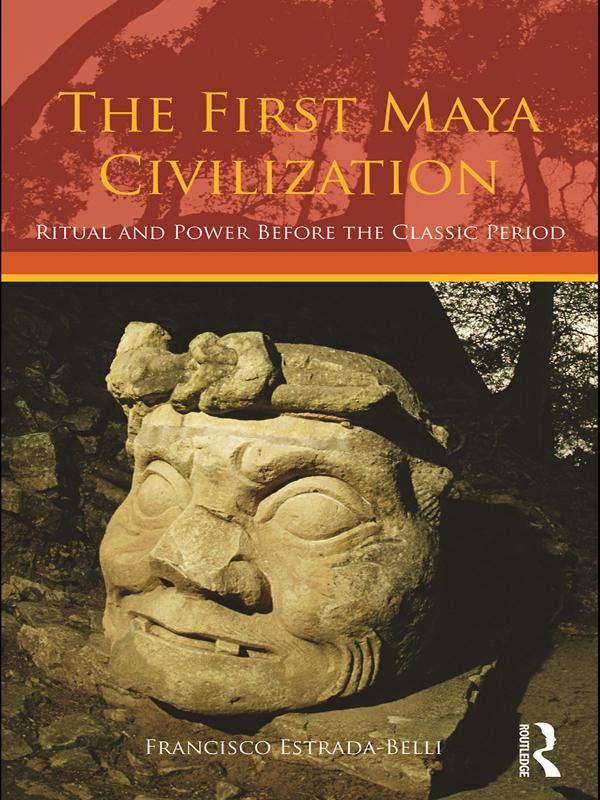
When the Maya kings of Tikal dedicated their first carved monuments in the third century A.D., inaugurating the Classic period of Maya history that lasted for six centuries and saw the rise of such famous cities as Palenque, Copan and Yaxchilan, Maya civilization was already nearly a millennium old. Its first cities, such as Nakbe and El Mirador, had some of the largest temples ever raised in Prehispanic America, while others such as Cival showed even earlier evidence of complex rituals. The reality of this Preclassic Maya civilization has been documented by scholars over the past three decades: what had been seen as an age of simple village farming, belatedly responding to the stimulus of more advanced peoples in highland Mesoamerica, is now know to have been the period when the Maya made themselves into one of the New World's most innovative societies. This book discusses the most recent advances in our knowledge of the Preclassic Maya and the emergence of their rainforest civilization, with new data on settlement, political organization, architecture, iconography and epigraphy supporting a contemporary theoretical perspective that challenges prior assumptions.
Betala smidigt med kort, Klarna, Apple Pay eller Google Pay. Är du inte nöjd har du alltid 14 dagars ångerrätt. Läs mer i våra villkor. Har du några frågor, mejla oss på hello@memmo.org.
Memmo gör det enklare att plugga – var du än är i världen. Hos oss samlar du kursböcker och smarta studieverktyg på ett och samma ställe: sammanfattningar, quiz, poddar och flashcards. Och så Ted, din studiekompis som svarar på allt du undrar. Över 50 000 studenter pluggar redan här – byggt för att du ska lära dig snabbare och stressa mindre.