
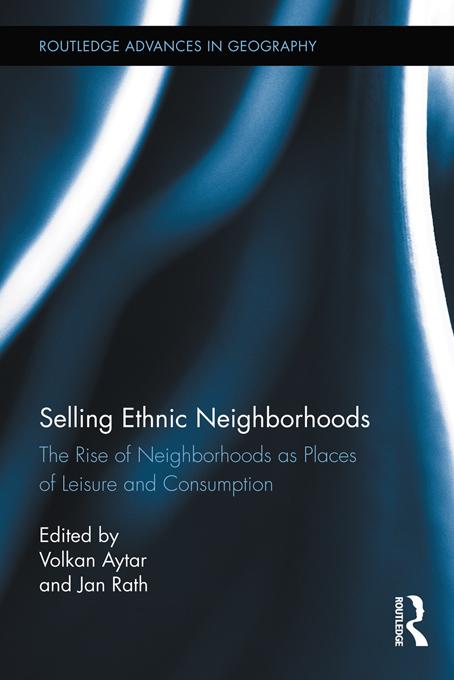
While ethnic neighborhoods are usually associated with poverty, crime and social problems, they have also emerged as places of leisure and consumption, providing opportunities for numerous entrepreneurs and employees. Local and national governments and other regulatory actors, as well as the media, have started to see and promote these neighborhoods as urban attractions for tourists, city dwellers and others. This book aims to analyze the roles of ethnic entrepreneurs and their associations and governments, and - by extension - of consumers and other actors in the rise of ethnic neighborhoods as places of leisure and consumption. Through case studies, it situates those neighborhoods at the edge of different theoretical debates about urban political economy and the politics of culture, and seeks a dynamic synergy between both.
Betala smidigt med kort, Klarna, Apple Pay eller Google Pay. Är du inte nöjd har du alltid 14 dagars ångerrätt. Läs mer i våra villkor. Har du några frågor, mejla oss på hello@memmo.org.
Memmo gör det enklare att plugga – var du än är i världen. Hos oss samlar du kursböcker och smarta studieverktyg på ett och samma ställe: sammanfattningar, quiz, poddar och flashcards. Och så Ted, din studiekompis som svarar på allt du undrar. Över 75 000 studenter pluggar redan här – byggt för att du ska lära dig snabbare och stressa mindre.