
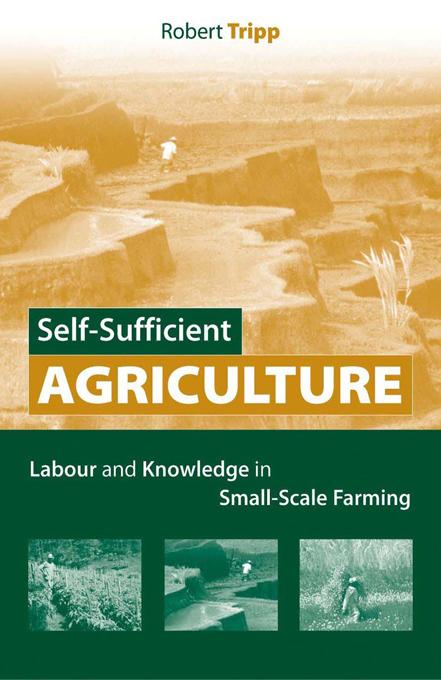
Low external-input technology (or LEIT) is an increasingly prominent subject in discussions of sustainable agriculture. There are growing calls for self-sufficient agriculture in an era experiencing diminishing returns from reliance upon expensive synthetic pesticides and fertilizers. There are many reasons to support strategies for low external input farming, including a concern for environmental sustainability, increased attention to resource-poor farmers and marginal environments, and the conviction that a better use of local resources in small-scale agriculture can improve farm productivity and innovation. But despite the increased attention to self-sufficient agriculture, there is little evidence available on the performance and impact of LEIT.
This book examines the contributions and limitations of low external input technology for addressing the needs of resource-poor farmers. For the first time a balanced analysis of LEIT is provided, offering in-depth case studies, an analysis of the debates, an extensive review of the literature and practical suggestions about the management and integration of low external input agriculture in rural development programmes.
Betala smidigt med kort, Klarna, Apple Pay eller Google Pay. Är du inte nöjd har du alltid 14 dagars ångerrätt. Läs mer i våra villkor. Har du några frågor, mejla oss på hello@memmo.org.
Memmo gör det enklare att plugga – var du än är i världen. Hos oss samlar du kursböcker och smarta studieverktyg på ett och samma ställe: sammanfattningar, quiz, poddar och flashcards. Och så Ted, din studiekompis som svarar på allt du undrar. Över 50 000 studenter pluggar redan här – byggt för att du ska lära dig snabbare och stressa mindre.