
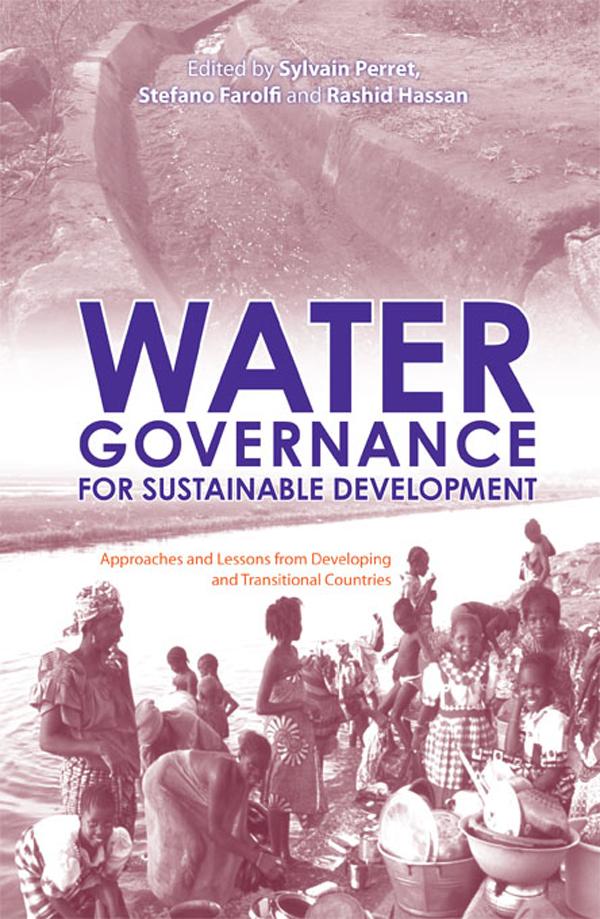
Good management of water resources - universally identified as a key aspect of poverty reduction, agriculture and food security - has proven, in practice, as difficult to achieve as it is eagerly sought. This book, edited and authored by leading authorities on water resource management, examines the recent changes in governance, institutions, economics and policies of water, covering developing, transitional and developed countries, with special emphasis on southern African case studies. The book examines how water policies, institutions and governance have shifted in recent years from supply-driven, quantitative, centrally controlled management to more demand-sensitive, decentralized, participatory approaches. Such a move often also implies cost recovery principles, resource allocation among competing sectors, and privatization. The case studies demonstrate that the new policies and legal frameworks have been difficult to implement and often fall short of initial expectations.
Using an accessible multidisciplinary approach that integrates economics, sociology, geography and policy analysis, the book untangles the issues and presents best practices for policy- and decision-makers, governments and regulators, NGOs and user groups, service providers, and researchers. The overall aim is to show how good water governance structures can be developed and implemented for the benefit of all.
Betala smidigt med kort, Klarna, Apple Pay eller Google Pay. Är du inte nöjd har du alltid 14 dagars ångerrätt. Läs mer i våra villkor. Har du några frågor, mejla oss på hello@memmo.org.
Memmo gör det enklare att plugga – var du än är i världen. Hos oss samlar du kursböcker och smarta studieverktyg på ett och samma ställe: sammanfattningar, quiz, poddar och flashcards. Och så Ted, din studiekompis som svarar på allt du undrar. Över 50 000 studenter pluggar redan här – byggt för att du ska lära dig snabbare och stressa mindre.