
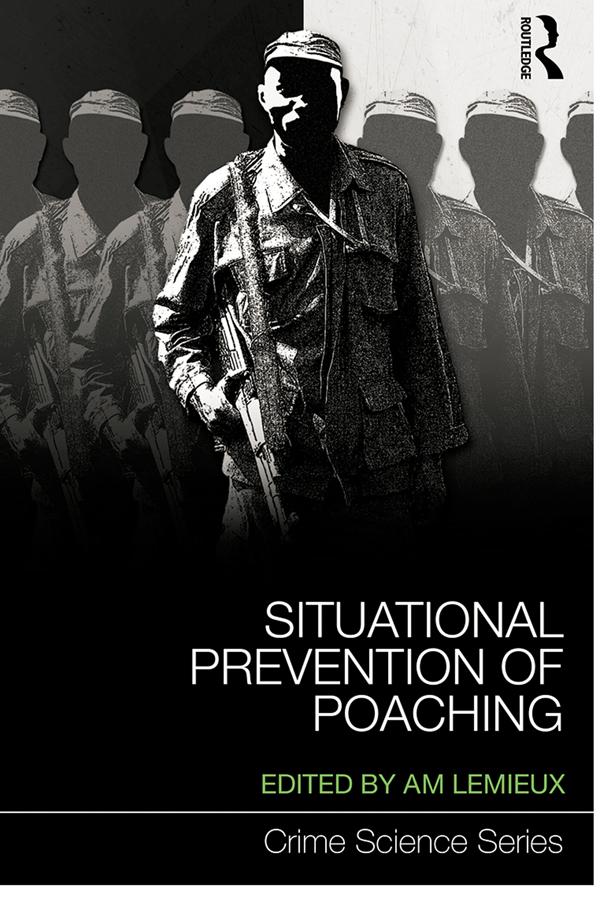
For centuries, criminologists have looked for scientific ways to study, understand, and ultimately prevent crime. In this volume, a unique offense, poaching, is explored in various contexts to determine what opportunity structures favor this crime and how situational crime prevention may reduce its prevalence. The data sources used range from publically available secondary data about animal populations, to interviews with hunters, to actual law enforcement data collected inside protected areas. Various methods are utilized to look for patterns in poaching behaviour regarding where poachers strike, which species they target and their modus operandi.
Collectively, the volume shows that principles of criminal opportunity theory and situational crime prevention are useful for studying and preventing poaching in a variety of contexts. The methods employed by each chapter are easily replicated and meant to stimulate empirical poaching research where data is available. While the theoretical grounding of this volume is drawn from criminology, it is written for a broad audience of academics, practitioners and those interested in wildlife conservation.
Betala smidigt med kort, Klarna, Apple Pay eller Google Pay. Är du inte nöjd har du alltid 14 dagars ångerrätt. Läs mer i våra villkor. Har du några frågor, mejla oss på hello@memmo.org.
Memmo gör det enklare att plugga – var du än är i världen. Hos oss samlar du kursböcker och smarta studieverktyg på ett och samma ställe: sammanfattningar, quiz, poddar och flashcards. Och så Ted, din studiekompis som svarar på allt du undrar. Över 50 000 studenter pluggar redan här – byggt för att du ska lära dig snabbare och stressa mindre.