
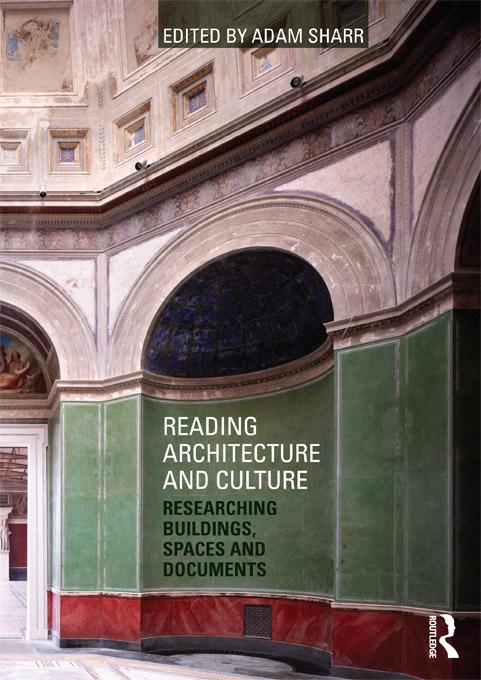
Architecture displays the values involved in its inhabitation, construction, procurement and design. It traces the thinking of the individuals who have participated in it, their relationships, and their involvement in the cultures where they lived and worked. In this way, buildings, their details, and the documents used to make them, can be read closely for cultural insights.
Introducing the idea of reading buildings as cultural artefacts, this book presents perceptive readings by eminent writers which demonstrate the power of this approach.
The chapters show that close readings of architecture and its materials can test commonplace assumptions, help architects to appreciate the contexts in which they work, and indicate ways to think more astutely about design. The readings collected in this innovative and accessible book address buildings, specifications and photographs. They range in time from the fifteenth century – examining the only surviving drawing made by Leon Battista Alberti – to the recent past – projects completed by Norman Foster in 2006 and Herzog and De Meuron in 2008. They range geographically from France to Puerto Rico to Kazakhstan and they range in fame from buildings celebrated by critics to house extensions and motorway service areas.
Taken together, these essays demonstrate important research methods which yield powerful insights for designers, critics and historians, and lessons for students.
Betala smidigt med kort, Klarna, Apple Pay eller Google Pay. Är du inte nöjd har du alltid 14 dagars ångerrätt. Läs mer i våra villkor. Har du några frågor, mejla oss på hello@memmo.org.
Memmo gör det enklare att plugga – var du än är i världen. Hos oss samlar du kursböcker och smarta studieverktyg på ett och samma ställe: sammanfattningar, quiz, poddar och flashcards. Och så Ted, din studiekompis som svarar på allt du undrar. Över 75 000 studenter pluggar redan här – byggt för att du ska lära dig snabbare och stressa mindre.