
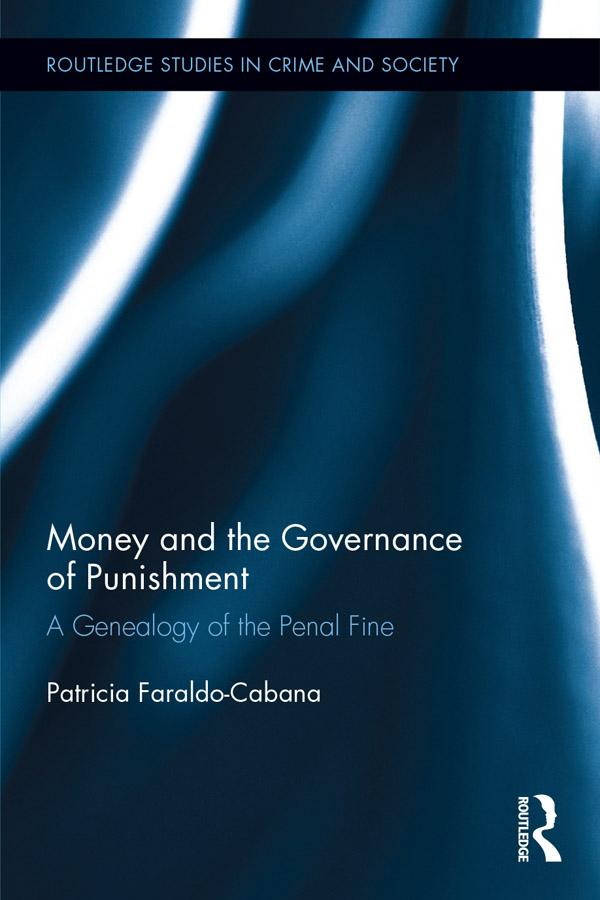
Money is the most frequently means used in the legal system to punish and regulate. Monetary penalties outnumber all other sanctions delivered by criminal justice in many jurisdictions, imprisonment included. More people pay fines than go to prison and in some jurisdictions many of those in prison are there because of failure to pay their fines. Therefore, it is surprising how little has been written in the Anglophone academic world about the nature of money sanctions and their specific characteristics as legal sanctions.
In many ways, legal innovations related to money sanctions have been poorly understood. This book argues that they are a direct consequence of the changing meaning of money. Considering the ‘meaninglessness’ of modern money, the book aims to examine the history of changing conceptions in how fines have been conceived and used. Using a set of interpretative techniques sensitive to how money and freedom are perceived, the genealogy of the penal fine is presented as a story of constant reformulation in response to shifting political pressures and changes in intellectual developments that influenced ideological commitments of legislators and practitioners.
This book is multi-disciplinary and will appeal to those engaged with criminology, sociology and philosophy of punishment, socio-legal studies, and criminal law.
Betala smidigt med kort, Klarna, Apple Pay eller Google Pay. Är du inte nöjd har du alltid 14 dagars ångerrätt. Läs mer i våra villkor. Har du några frågor, mejla oss på hello@memmo.org.
Memmo gör det enklare att plugga – var du än är i världen. Hos oss samlar du kursböcker och smarta studieverktyg på ett och samma ställe: sammanfattningar, quiz, poddar och flashcards. Och så Ted, din studiekompis som svarar på allt du undrar. Över 50 000 studenter pluggar redan här – byggt för att du ska lära dig snabbare och stressa mindre.