
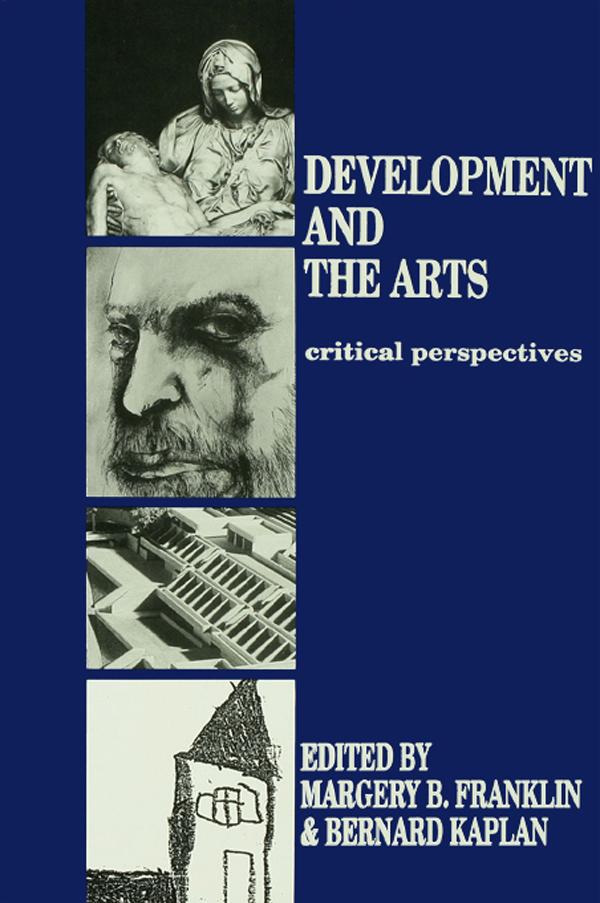
This volume's unifying theme is the question: Is a concept of development relevant to art? Bringing together contributions from the perspectives of philosophical aesthetics, psychoanalysis, architecture and design, and the practicing artist, as well as developmental theory in psychology, this volume provides a unique assembly of voices from different disciplines. The twelve chapters span artistic production in childhood, transformations in the work of the individual artist, and historical changes in art, thus establishing a broad canvas for examining how concepts of development are used in relation to the arts.
The contributors consider specific phenomena and questions against the background of theoretical issues, taking markedly different views on whether change in artistic work can be aptly characterized as development and, if so, what modulations of the concept may be required in light of accompanying assumptions and implications. Given the nature of this discourse, this richly illustrated book should lead to a radical rethinking among those who apply developmental concepts to artistic phenomena and aesthetic movements, and to reconsideration of the role of art in optimal human development within the individual and within social orders.
Betala smidigt med kort, Klarna, Apple Pay eller Google Pay. Är du inte nöjd har du alltid 14 dagars ångerrätt. Läs mer i våra villkor. Har du några frågor, mejla oss på hello@memmo.org.
Memmo gör det enklare att plugga – var du än är i världen. Hos oss samlar du kursböcker och smarta studieverktyg på ett och samma ställe: sammanfattningar, quiz, poddar och flashcards. Och så Ted, din studiekompis som svarar på allt du undrar. Över 75 000 studenter pluggar redan här – byggt för att du ska lära dig snabbare och stressa mindre.