
Dyes, pigments and metals are extensively used in food, paper, carpet, rubber, plastics, cosmetics, and textile industries, in order to color and finish products. As a result, they generate a considerable amount of coloured wastewater rich in organic, inorganic, and mineral substances which are continuously polluting the water bodies and affecting human and aquatic life. Besides these industries, urban and agricultural activities also generate effluents high in biochemical oxygen demand (BOD) and chemical oxygen demand (COD). In recent years, considerable research work has been done in this area and is underway to eliminate heavy metals particularly mercury (Hg), chromium (Cr), lead (Pb), selenium and cadmium (Cd) and synthetic dyes from polluted waters which have high toxicity and carcinogenicity.
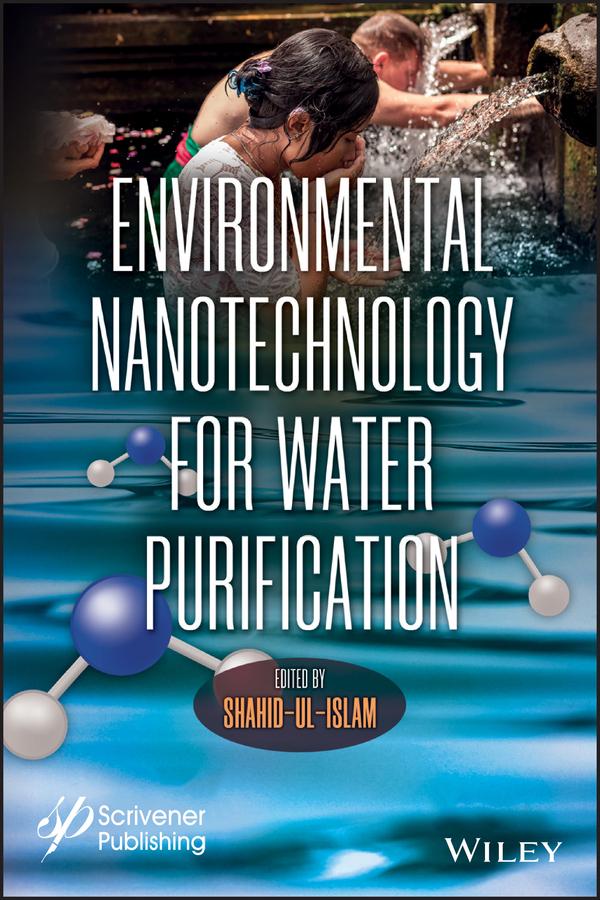
Currently a number of methods are in operation to decontaminate the polluted waters. Among several purification technologies, use of nanoparticles/composites have gained much attention as efficient purification technology due to its many advantages such as simple synthesis, special chemical and physical properties, unique photocatalytic activity and beneficial antimicrobial properties and high efficiency. The book Environmental Nanotechnology for Water Purification comprehensively covers and provides new insights on all nanoparticles, composites and advanced methods employed in water purification.
Betala smidigt med kort, Klarna, Apple Pay eller Google Pay. Är du inte nöjd har du alltid 14 dagars ångerrätt. Läs mer i våra villkor. Har du några frågor, mejla oss på hello@memmo.org.
Memmo gör det enklare att plugga – var du än är i världen. Hos oss samlar du kursböcker och smarta studieverktyg på ett och samma ställe: sammanfattningar, quiz, poddar och flashcards. Och så Ted, din studiekompis som svarar på allt du undrar. Över 50 000 studenter pluggar redan här – byggt för att du ska lära dig snabbare och stressa mindre.