
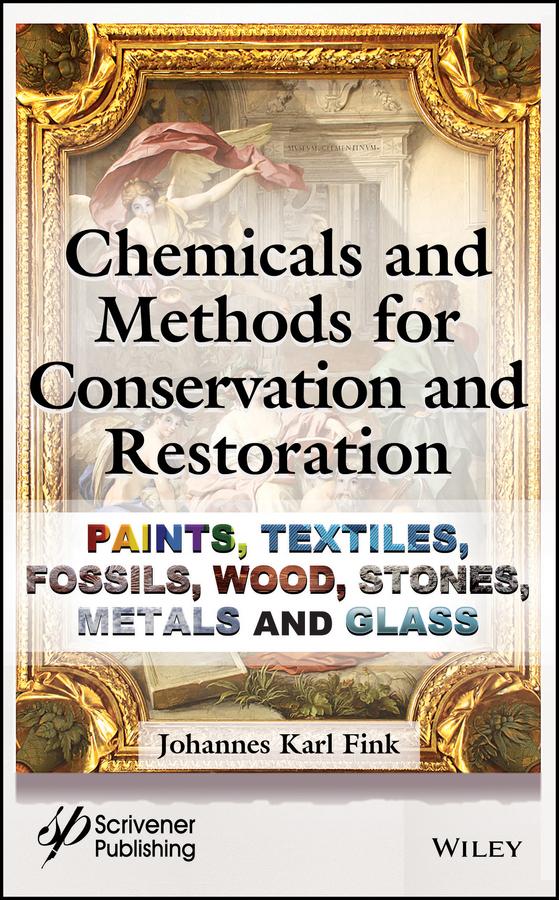
Before the 1970s, most information concerning the conservation and restoration of paintings, wood, and archaeological artefacts were focused on the history of the artefacts, previous attempts of conservation, and the future use of these artefacts. The technical methods of how the restoration and conservation were made were dealt with only very briefly. Today, sophisticated methods of scientific analysis such as DNA are common place, and this encourages conservators and scientists to work together to work out the development of new methods for analysis and conservation of artefacts.
This book focuses on the chemicals used for conservation and restoration of various artefacts in artwork and archaeology, as well as special applications of these materials. Also the methods used, both methods for cleaning, conservation and restoration, as well as methods for the analysis of the state of the respective artefacts. Topics include oil paintings, paper conservation, textiles and dyes for them, archaeological wood, fossils, stones, metals and metallic coins, and glasses, including church windows.
Betala smidigt med kort, Klarna, Apple Pay eller Google Pay. Är du inte nöjd har du alltid 14 dagars ångerrätt. Läs mer i våra villkor. Har du några frågor, mejla oss på hello@memmo.org.
Memmo gör det enklare att plugga – var du än är i världen. Hos oss samlar du kursböcker och smarta studieverktyg på ett och samma ställe: sammanfattningar, quiz, poddar och flashcards. Och så Ted, din studiekompis som svarar på allt du undrar. Över 50 000 studenter pluggar redan här – byggt för att du ska lära dig snabbare och stressa mindre.