
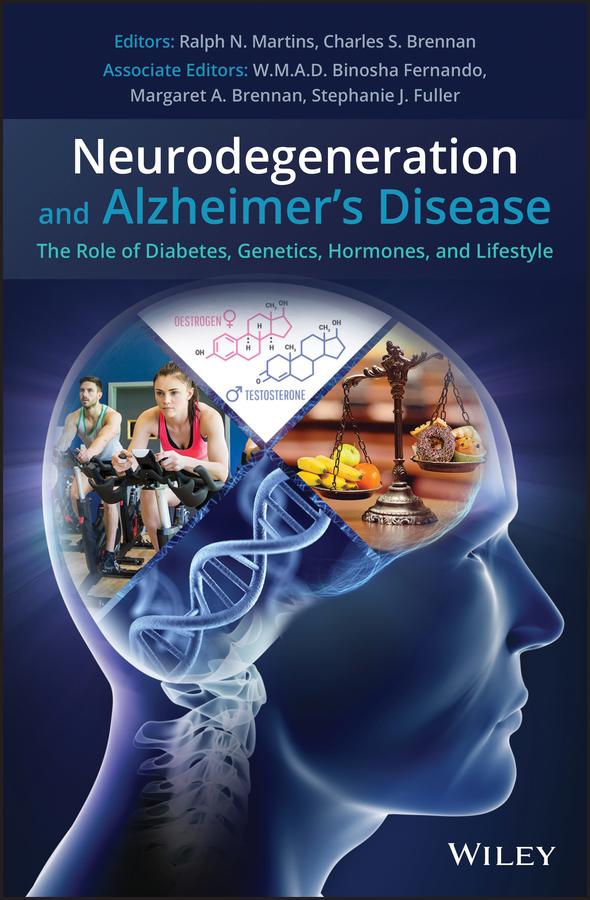
Understanding the impact of diet, exercise, genetics, and hormones on the risk and development of Alzheimer’s and other neurogenerative diseases
Diet is widely known to impact on neurological function. Nevertheless, academic texts discussing this relationship are relatively few in number. This book therefore fills an important gap in the current literature. Opening with an overview of neurodegenerative diseases, particularly Alzheimer’s disease, the text then focuses on explaining the means by which glycemic control and lipid metabolism – and associated nutritional and lifestyle variables – may factor into such disorders’ prevention and treatment.
An international group of experts in the fields of food science and neurodegeneration have contributed chapters that examine Alzheimer’s disease within a broad range of contexts. Offering dietary, genetic, and hormonal perspectives, the authors explore topics ranging from sugar consumption to digestive fermentation, and Alzheimer’s disease animal models to the cognition-enhancing effects of physical exercise. Also included are overviews of the latest research into current and developing methods of treatment and diagnosis, as well as differential diagnostics. This groundbreaking book:
- Explores how glucose metabolism, insulin resistance, lipid metabolism, and high intake of refined carbohydrates are linked to Alzheimer's disease
- Discusses how genetic makeup can impact risk of Alzheimer’s and Parkinson’s disease
- Examines cognitive changes in neurodegeneration, lists current tests for determining cognitive impairment, and provides information concerning differential diagnosis
- Discusses potential advantages of increasing antioxidant and micronutrient intake
- Reviews hormonal influences on neurodegeneration
- Examines the links between protein intake and Alzheimer’s disease.
Neurodegeneration and Alzheimer's Disease is an essential resource for researchers, medical practitioners, dietitians, and students with an interest in neurological diseases and their diagnosis and risk factors, as well as diet-related conditions such as diabetes and obesity. Lifestyle and diet influence neurodegeneration risk, and a better understanding of this evidence amongst health professionals will hopefully lead to greater public awareness of how to reduce the likelihood of these widespread conditions.
Betala smidigt med kort, Klarna, Apple Pay eller Google Pay. Är du inte nöjd har du alltid 14 dagars ångerrätt. Läs mer i våra villkor. Har du några frågor, mejla oss på hello@memmo.org.
Memmo gör det enklare att plugga – var du än är i världen. Hos oss samlar du kursböcker och smarta studieverktyg på ett och samma ställe: sammanfattningar, quiz, poddar och flashcards. Och så Ted, din studiekompis som svarar på allt du undrar. Över 50 000 studenter pluggar redan här – byggt för att du ska lära dig snabbare och stressa mindre.