
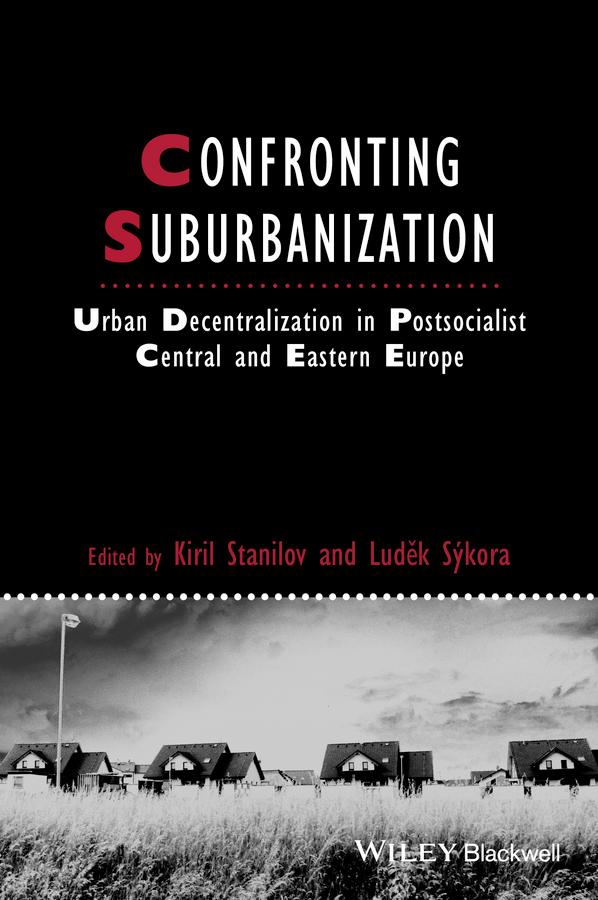
This fascinating book explains the processes of suburbanization in the context of post-socialist societies transitioning from one system of socio-spatial order to another. Case studies of seven Central and Eastern Europe city regions illuminate growth patterns and key conditions for the emergence of sprawl.
- Breaks new ground, offering a systematic approach to the analysis of the global phenomenon of suburbanization in a post-socialist context
- Tracks the boom of the post-socialist suburbs in seven CEE capital city regions – Budapest, Ljubljana, Moscow, Prague, Sofia, Tallinn, and Warsaw
- Situates the experience of the CEE countries in the broader context of global urban change
- Case studies examine the phenomenon of suburbanization along four main vectors of analysis related to development patterns, driving forces, consequences and impacts, and management of suburbanization
- Highlights the critical importance of public policies and planning on the spread of suburbanization
Betala smidigt med kort, Klarna, Apple Pay eller Google Pay. Är du inte nöjd har du alltid 14 dagars ångerrätt. Läs mer i våra villkor. Har du några frågor, mejla oss på hello@memmo.org.
Memmo gör det enklare att plugga – var du än är i världen. Hos oss samlar du kursböcker och smarta studieverktyg på ett och samma ställe: sammanfattningar, quiz, poddar och flashcards. Och så Ted, din studiekompis som svarar på allt du undrar. Över 75 000 studenter pluggar redan här – byggt för att du ska lära dig snabbare och stressa mindre.