
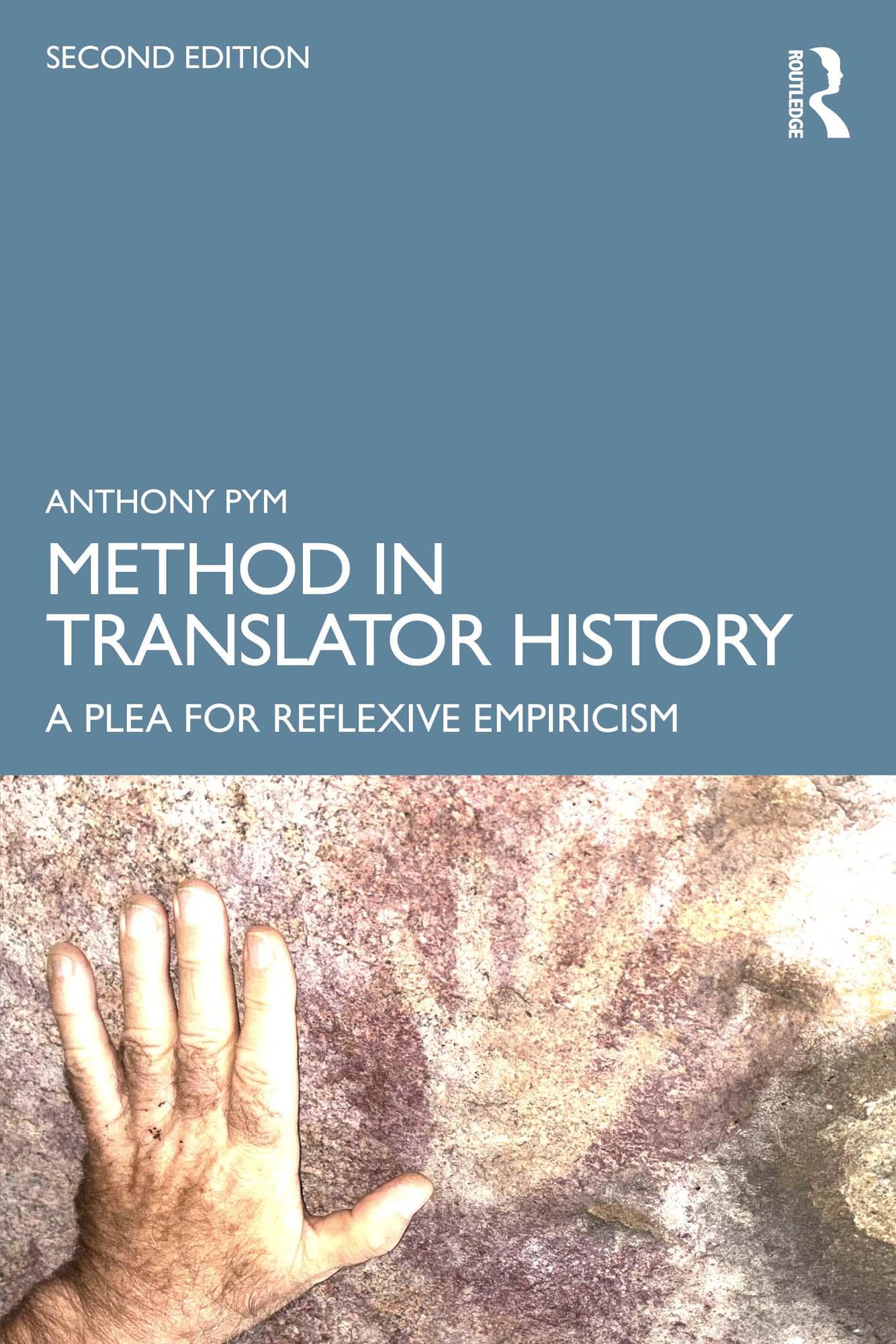
Method in Translator History is a complete reworking of the much-cited classic text Method in Translation History. It explains the basics of reflexive empiricism and offers a highly critical assessment of recent developments in the area. New chapters address current issues in the history of technologies, the risks of big data, types of translation flows, network analysis, translation policies, institutions, trust relationships, and the translator's historical agency.
A toolbox approach breaks issues down into commonsense questions, to which short, clear answers are provided. Examples are drawn from European and Asian cultures, as well as Australian Indigenous translation practices. Features include clear definitions of key terms, both in the initial glossary and throughout; an accessible academic style able to explain, and at the same time provoke, an overall structure that follows the research process, dealing with the selection of questions, data gathering, modes of analysis, considerations of how to present the completed research, and who is likely to listen to history; lists of questions that the historian could or should ask at each stage; examples of common traps to be avoided and examples of methodological mistakes made in previous research.
This text is suitable for translation studies researchers, graduate students, educators, professional translators, cultural historians, and digital humanities scholars seeking methodological guidance for historical research on translation practices.
Betala smidigt med kort, Klarna, Apple Pay eller Google Pay. Är du inte nöjd har du alltid 14 dagars ångerrätt. Läs mer i våra villkor. Har du några frågor, mejla oss på hello@memmo.org.
Memmo gör det enklare att plugga – var du än är i världen. Hos oss samlar du kursböcker och smarta studieverktyg på ett och samma ställe: sammanfattningar, quiz, poddar och flashcards. Och så Ted, din studiekompis som svarar på allt du undrar. Över 75 000 studenter pluggar redan här – byggt för att du ska lära dig snabbare och stressa mindre.