
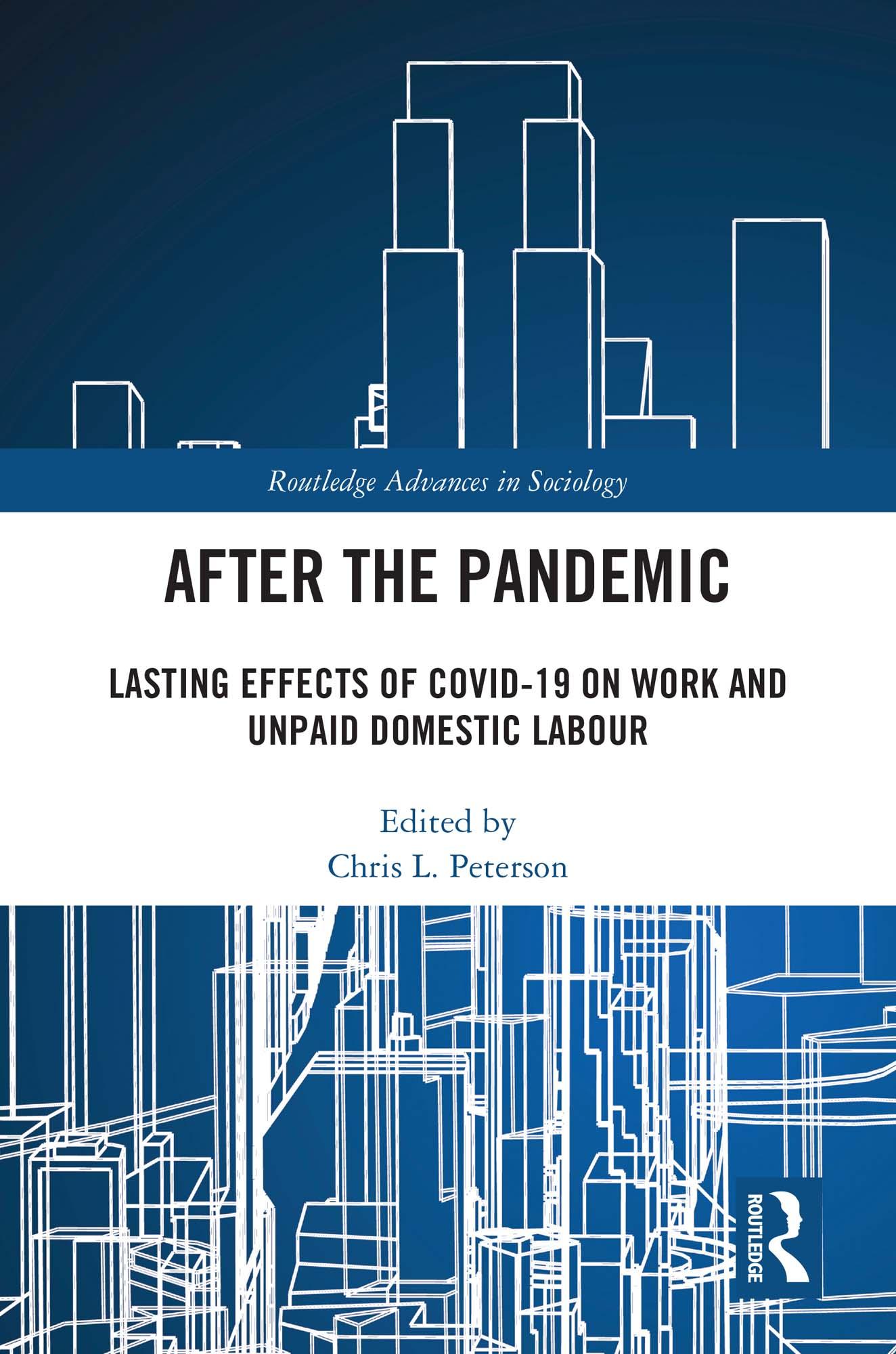
Presenting a sociological perspective on globalisation and COVID-19 impacts, this book examines the lasting effects of COVID-19 on the structure of work and unpaid domestic labour.
Labour patterns have influenced political, social, and economic spheres that affect organisational practices. Following the COVID-19 pandemic, this book showcases these effects upon household labour, care work, unpaid domestic work, and organisational practices, with attention to systemic inequalities by gender and age, net zero, privacy, and digitisation transitions. It examines the exponential post-pandemic growth of digitisation and what this has meant in encouraging remote, home-working or hybrid work health, and wellbeing. Taking a sociology of work approach with a critical eye for neoliberalism influences, this book explores the first years of the pandemic’s aftermath, analysing both its short-term and potential long-term effects on paid work and unpaid domestic labour.
This book will be of interest to academics, students, and practitioners in the areas of sociology, global studies, occupational health, and international relations. In particular, those engaged with the sociology of work and the sociology of family will find this a valuable resource for understanding work in the post-pandemic world.
Betala smidigt med kort, Klarna, Apple Pay eller Google Pay. Är du inte nöjd har du alltid 14 dagars ångerrätt. Läs mer i våra villkor. Har du några frågor, mejla oss på hello@memmo.org.
Memmo gör det enklare att plugga – var du än är i världen. Hos oss samlar du kursböcker och smarta studieverktyg på ett och samma ställe: sammanfattningar, quiz, poddar och flashcards. Och så Ted, din studiekompis som svarar på allt du undrar. Över 50 000 studenter pluggar redan här – byggt för att du ska lära dig snabbare och stressa mindre.