
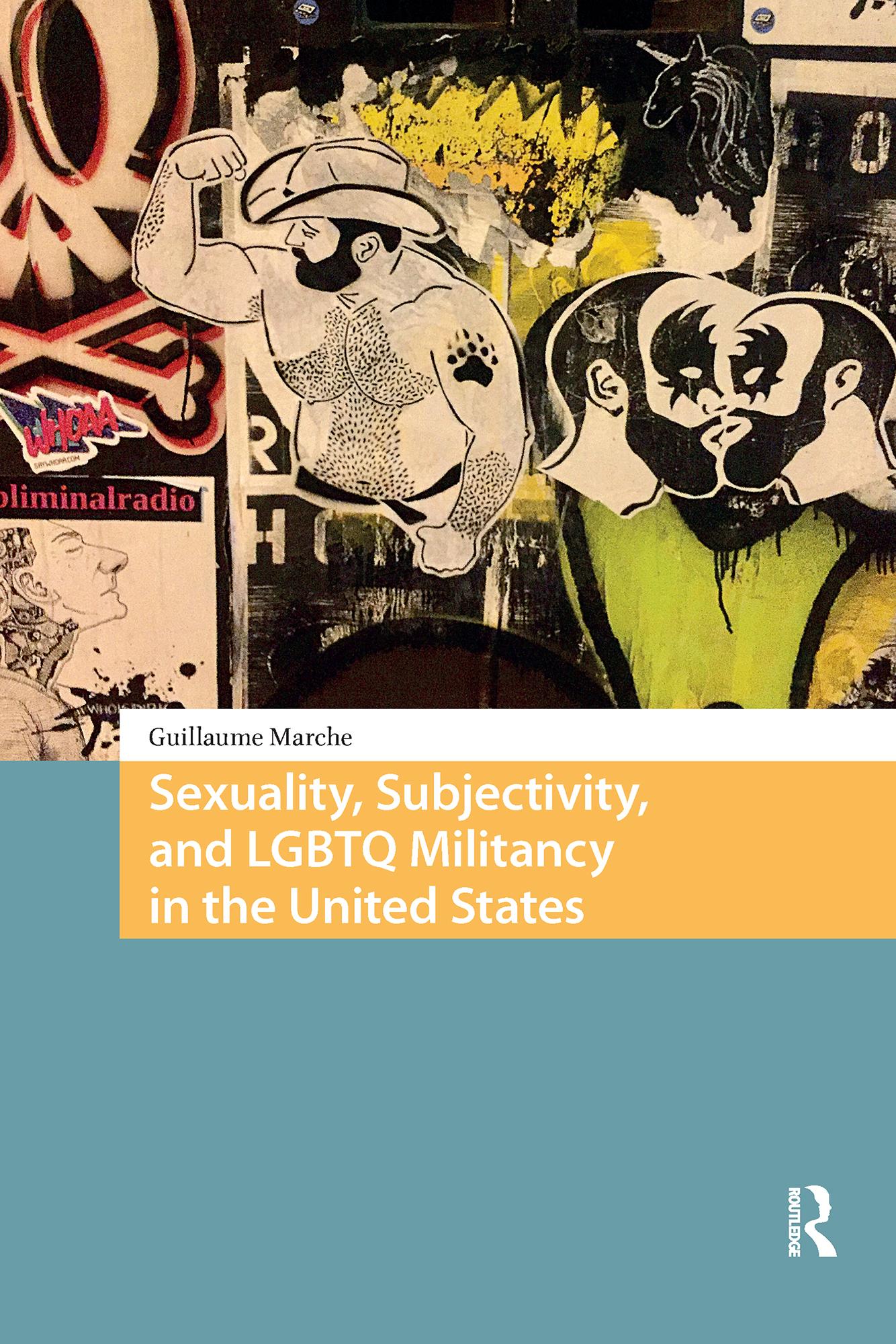
As LGBTQ movements in Western Europe, North America, and other regions of the world are becoming increasingly successful at awarding LGBTQ people rights, especially institutional recognition for same-sex couples and their families, what becomes of the deeper social transformation that these movements initially aimed to achieve? The United States is in many ways a paradigmatic model for LGBTQ movements in other countries. Sexuality, Subjectivity, and LGBTQ Militancy in the United States focuses on the transformations of the US LGBTQ movement since the 1980s, highlighting the relationship between its institutionalization and the disappearance of sexuality from its most visible claims, so that its growing visibility and legitimation since the 1990s have paradoxically led to a decrease in grassroots militancy. The book examines the issue from the bottom up, identifying the links between the varying importance of sexuality as a movement theme and actors' mobilization, and enhances the import of subjectivity in militancy. It draws attention to cultural, sometimes infrapolitical, forms of militancy that perpetuate the role of sexuality in LGBTQ militancy.
Betala smidigt med kort, Klarna, Apple Pay eller Google Pay. Är du inte nöjd har du alltid 14 dagars ångerrätt. Läs mer i våra villkor. Har du några frågor, mejla oss på hello@memmo.org.
Memmo gör det enklare att plugga – var du än är i världen. Hos oss samlar du kursböcker och smarta studieverktyg på ett och samma ställe: sammanfattningar, quiz, poddar och flashcards. Och så Ted, din studiekompis som svarar på allt du undrar. Över 50 000 studenter pluggar redan här – byggt för att du ska lära dig snabbare och stressa mindre.