
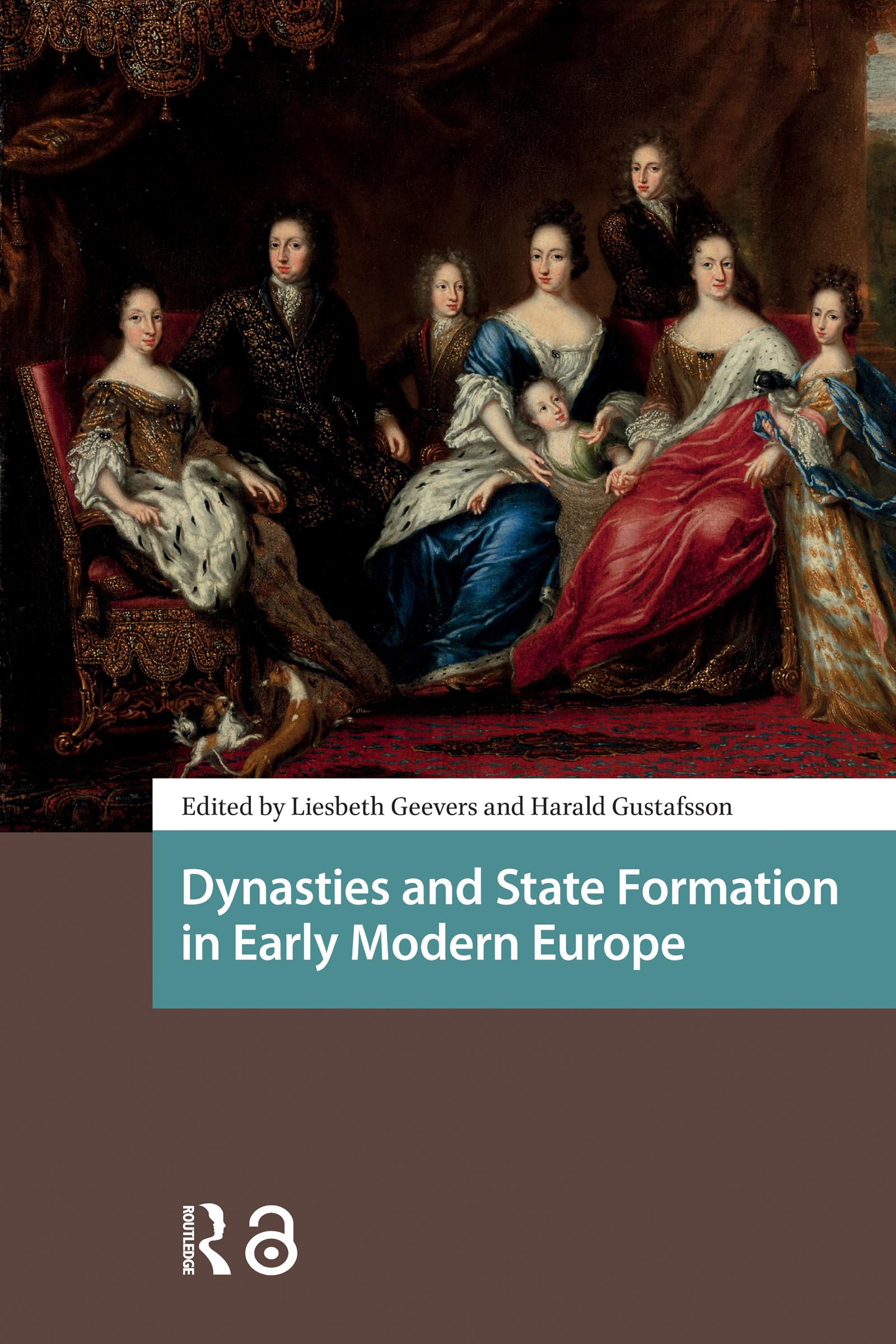
In state formation research, princely houses have been a blind spot. The development of states has been discussed from many perspectives, like interstate competition, internal social conflicts, fiscal-military developments, etc., but at the centre of most European states, there was a princely house. These ruling houses have been overlooked in studies about state formation. What’s more, when discussing such dynasties, the vertical chronological perspective (grandfather-father-son) is all dominating, for instance in the focus on dynastic continuity, dynastic culture and representation, and the like. This collection of essays highlights the horizontal perspective (ruler, all children, siblings, cousins), in asking how the members of a princely family acted as a power network. The quest is to develop an understanding how this family network interplayed with other factors in the state formation process. This volume brings together existing knowledge of the topic with the aim of exchanging insights and furthering knowledge.
Betala smidigt med kort, Klarna, Apple Pay eller Google Pay. Är du inte nöjd har du alltid 14 dagars ångerrätt. Läs mer i våra villkor. Har du några frågor, mejla oss på hello@memmo.org.
Memmo gör det enklare att plugga – var du än är i världen. Hos oss samlar du kursböcker och smarta studieverktyg på ett och samma ställe: sammanfattningar, quiz, poddar och flashcards. Och så Ted, din studiekompis som svarar på allt du undrar. Över 50 000 studenter pluggar redan här – byggt för att du ska lära dig snabbare och stressa mindre.
Du kanske också gillar
Köp boken0