
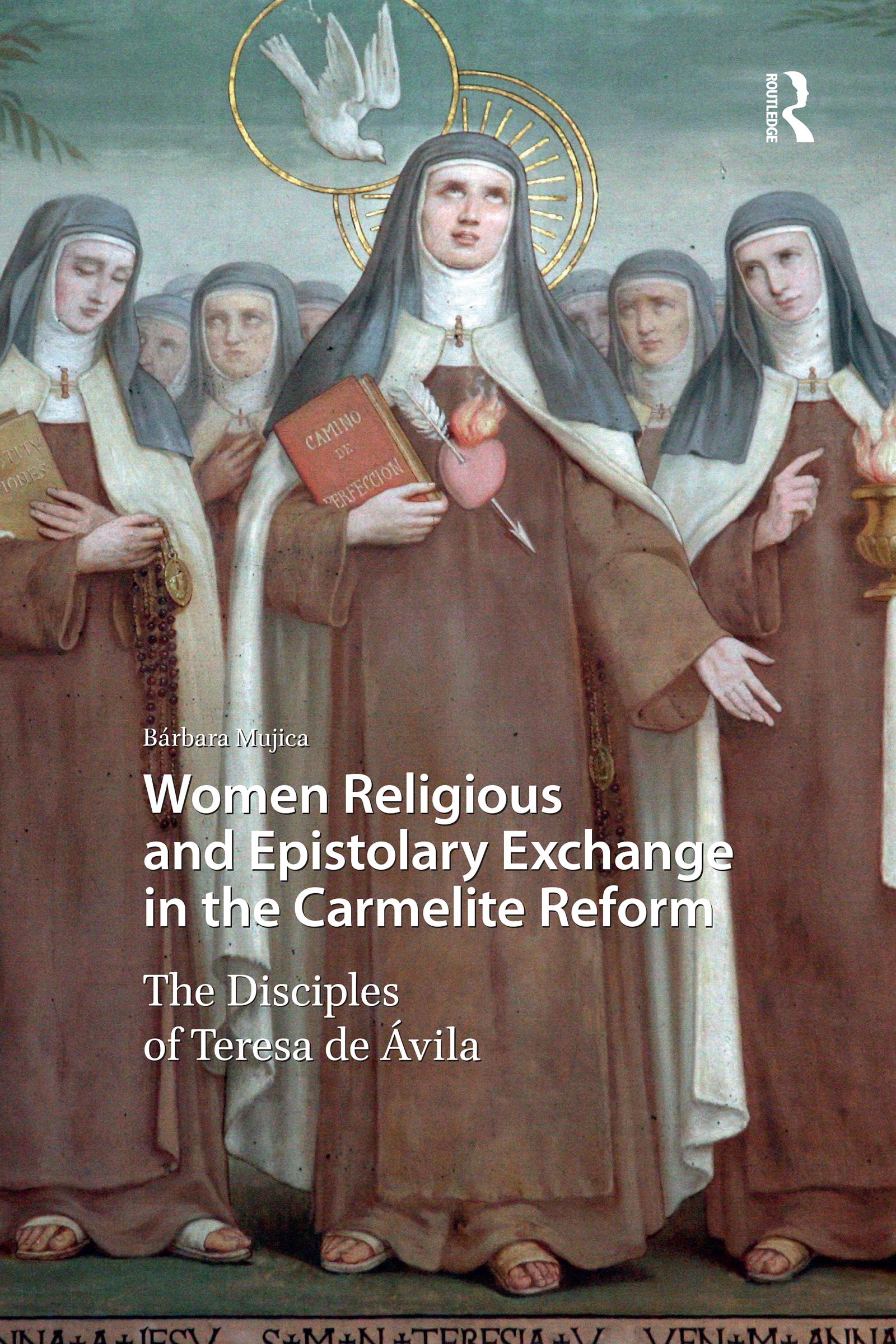
The sixteenth century was a period of crisis in the Catholic Church. Monastic reorganization was a major issue, and women were at the forefront of charting new directions in convent policy. The story of the Carmelite Reform has been told before, but never from the perspective of the women on the front lines. Nearly all accounts of the movement focus on Teresa de Avila, (1515-1582), and end with her death in 1582. Women Religious and Epistolary Exchange in the Carmelite Reform: The Disciples of Teresa de Avila carries the story beyond Teresa's death, showing how the next generation of Carmelite nuns struggled into the seventeenth century to continue her mission. It is unique in that it draws primarily from female-authored sources, in particular, the letters of three of Teresa's most dynamic disciples: María de San José, Ana de Jesús and Ana de San Bartolomé.
Betala smidigt med kort, Klarna, Apple Pay eller Google Pay. Är du inte nöjd har du alltid 14 dagars ångerrätt. Läs mer i våra villkor. Har du några frågor, mejla oss på hello@memmo.org.
Memmo gör det enklare att plugga – var du än är i världen. Hos oss samlar du kursböcker och smarta studieverktyg på ett och samma ställe: sammanfattningar, quiz, poddar och flashcards. Och så Ted, din studiekompis som svarar på allt du undrar. Över 50 000 studenter pluggar redan här – byggt för att du ska lära dig snabbare och stressa mindre.