
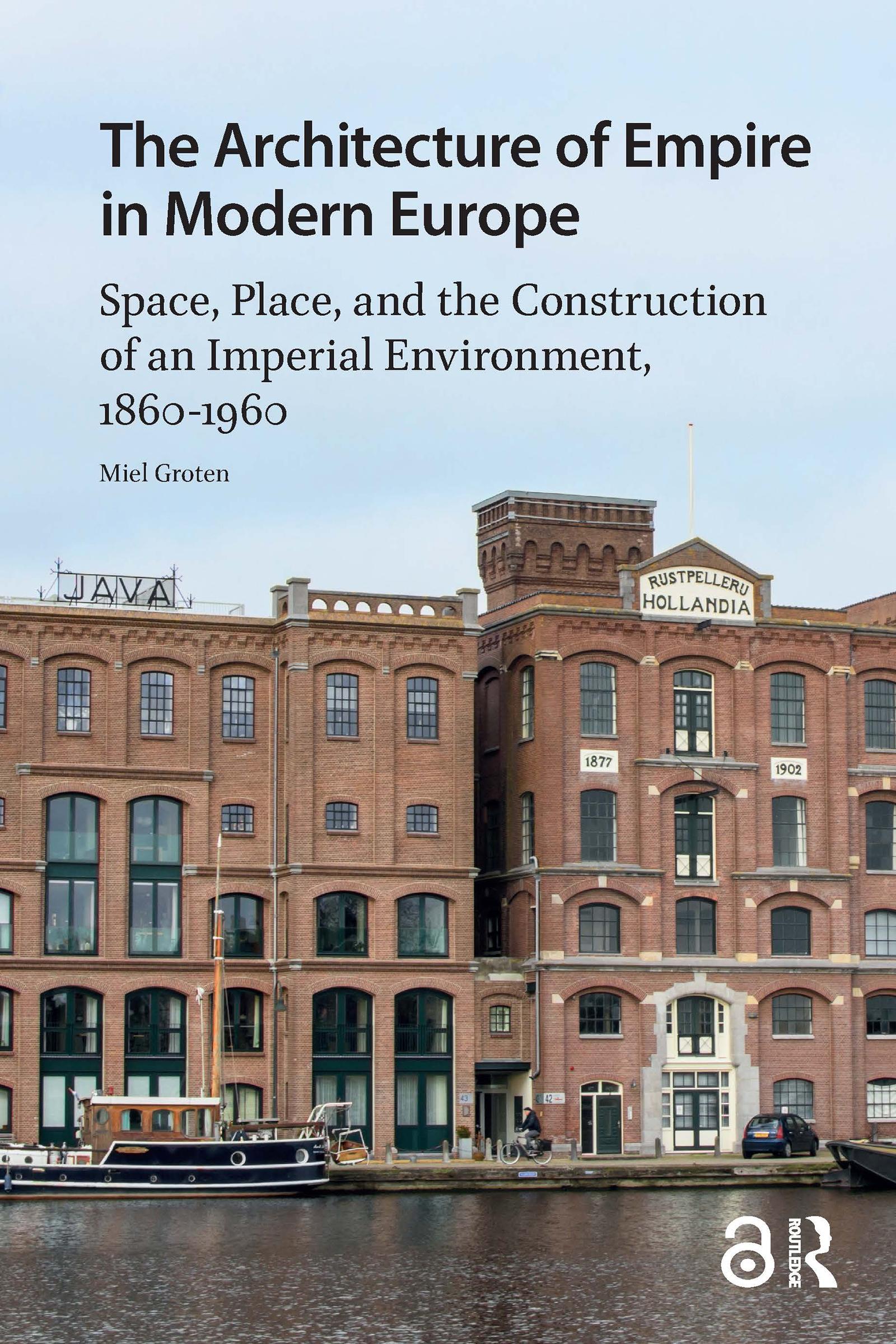
Empires stretched around the world, but also made their presence felt in architecture and urban landscapes. The Architecture of Empire in Modern Europe traces the entanglement of the European built environment with overseas imperialism in the nineteenth and twentieth centuries. As part of imperial networks between metropole and colonies, in cities as diverse as Glasgow, Hamburg, or Paris, numerous new buildings were erected such as factories, mission houses, offices, and museums. These sites developed into the physical manifestations of imperial networks. As Europeans designed, used, and portrayed them, these buildings became meaningful imperial places that conveyed the power relations of empire and Eurocentric self-images. Engaging with recent debates about colonial history and heritage, this book combines a variety of sources, an interdisciplinary approach, and an international scope to produce a cultural history of European imperial architecture across borders.
Betala smidigt med kort, Klarna, Apple Pay eller Google Pay. Är du inte nöjd har du alltid 14 dagars ångerrätt. Läs mer i våra villkor. Har du några frågor, mejla oss på hello@memmo.org.
Memmo gör det enklare att plugga – var du än är i världen. Hos oss samlar du kursböcker och smarta studieverktyg på ett och samma ställe: sammanfattningar, quiz, poddar och flashcards. Och så Ted, din studiekompis som svarar på allt du undrar. Över 75 000 studenter pluggar redan här – byggt för att du ska lära dig snabbare och stressa mindre.