
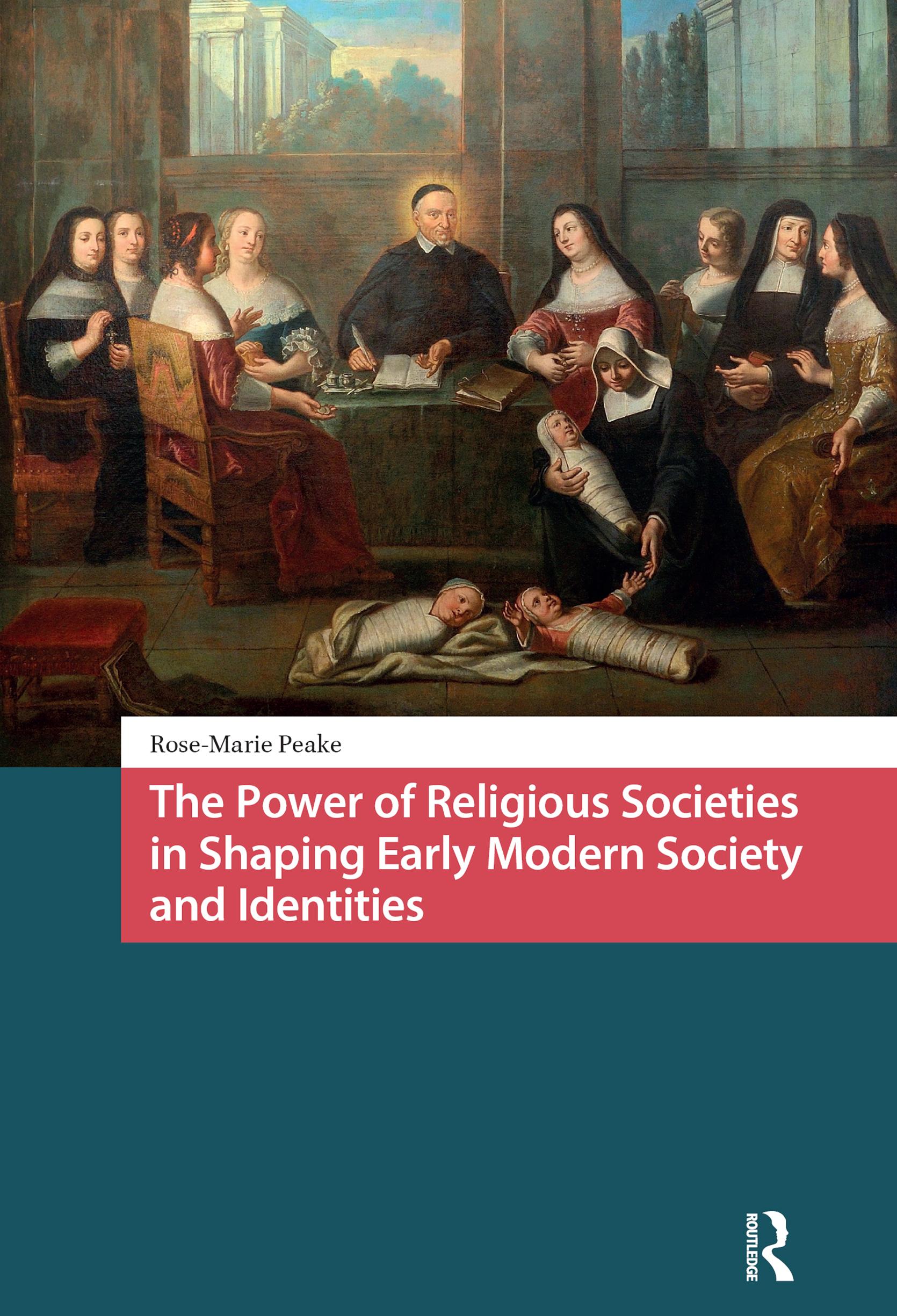
The Power of Religious Societies in Shaping Early Modern Society and Identities studies the value system of the French Catholic community the Filles de la Charité, or the Daughters of Charity, in the first half of the seventeenth century. An analysis of the activities aimed at edifying morality in the different strata of society revealed a Christian anthropology with strong links to medieval traditions. The book argues that this was an important survival strategy for the Company with a disconcerting religious identity: the non-cloistered lifestyle of its members engaged in charity work had been made unlawful in the Council of Trent. Moreover, the directors Louise de Marillac and Vincent de Paul also had to find ways to curtail internal resistance as the sisters rebelled in quest of a more contemplative and enclosed vocation.
Betala smidigt med kort, Klarna, Apple Pay eller Google Pay. Är du inte nöjd har du alltid 14 dagars ångerrätt. Läs mer i våra villkor. Har du några frågor, mejla oss på hello@memmo.org.
Memmo gör det enklare att plugga – var du än är i världen. Hos oss samlar du kursböcker och smarta studieverktyg på ett och samma ställe: sammanfattningar, quiz, poddar och flashcards. Och så Ted, din studiekompis som svarar på allt du undrar. Över 50 000 studenter pluggar redan här – byggt för att du ska lära dig snabbare och stressa mindre.