
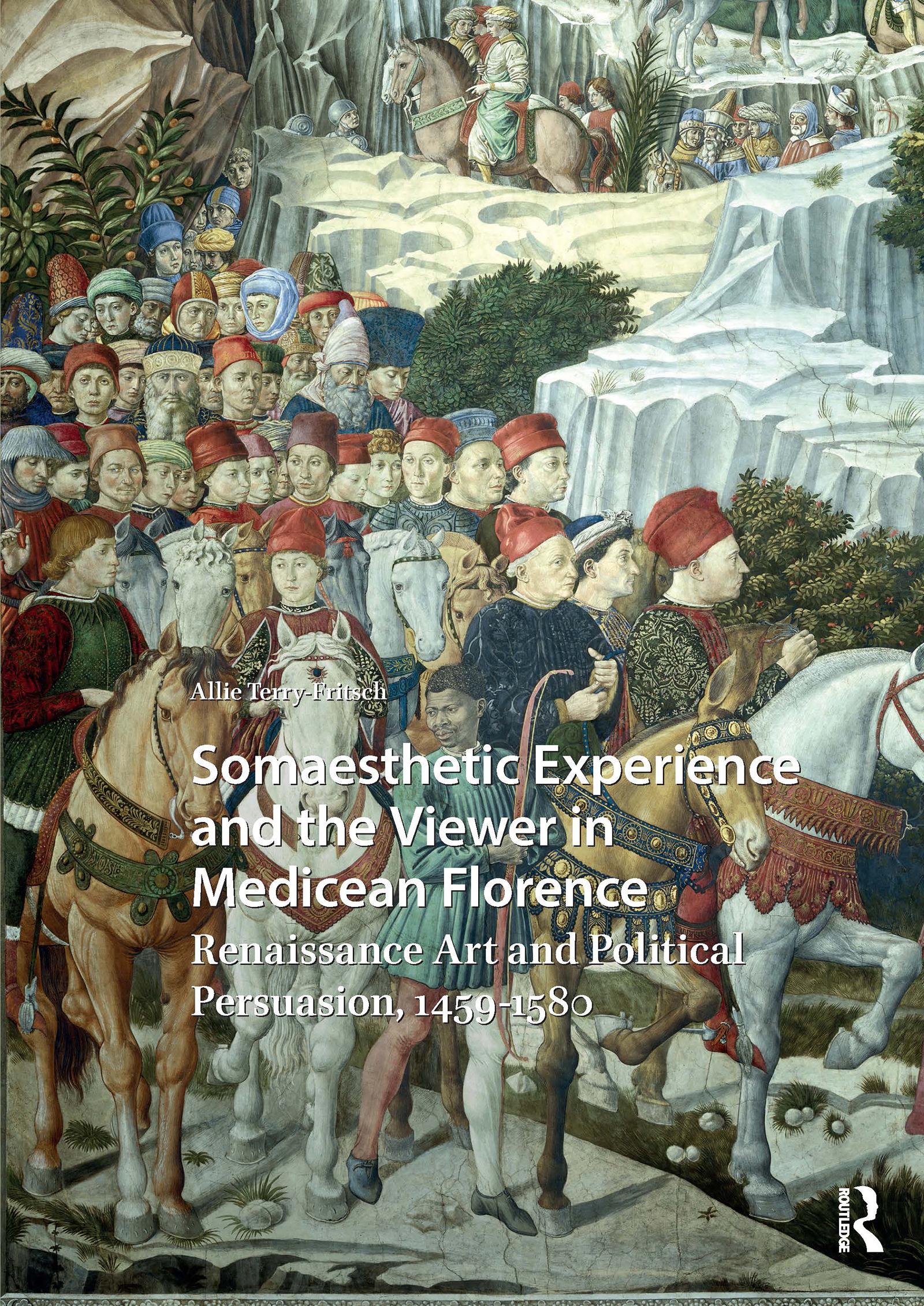
Viewers in the Middle Ages and Renaissance were encouraged to forge connections between their physical and affective states when they experienced works of art. They believed that their bodies served a critical function in coming to know and make sense of the world around them, and intimately engaged themselves with works of art and architecture on a daily basis. This book examines how viewers in Medicean Florence were self-consciously cultivated to enhance their sensory appreciation of works of art and creatively self-fashion through somaesthetics. Mobilized as a technology for the production of knowledge with and through their bodies, viewers contributed to the essential meaning of Renaissance art and, in the process, bound themselves to others. By investigating the framework and practice of somaesthetic experience of works by Benozzo Gozzoli, Donatello, Benedetto Buglioni, Giorgio Vasari, and others in fifteenth- and sixteenth century Florence, the book approaches the viewer as a powerful tool that was used by patrons to shape identity and power in the Renaissance.
Betala smidigt med kort, Klarna, Apple Pay eller Google Pay. Är du inte nöjd har du alltid 14 dagars ångerrätt. Läs mer i våra villkor. Har du några frågor, mejla oss på hello@memmo.org.
Memmo gör det enklare att plugga – var du än är i världen. Hos oss samlar du kursböcker och smarta studieverktyg på ett och samma ställe: sammanfattningar, quiz, poddar och flashcards. Och så Ted, din studiekompis som svarar på allt du undrar. Över 50 000 studenter pluggar redan här – byggt för att du ska lära dig snabbare och stressa mindre.
Du kanske också gillar
Köp boken0