
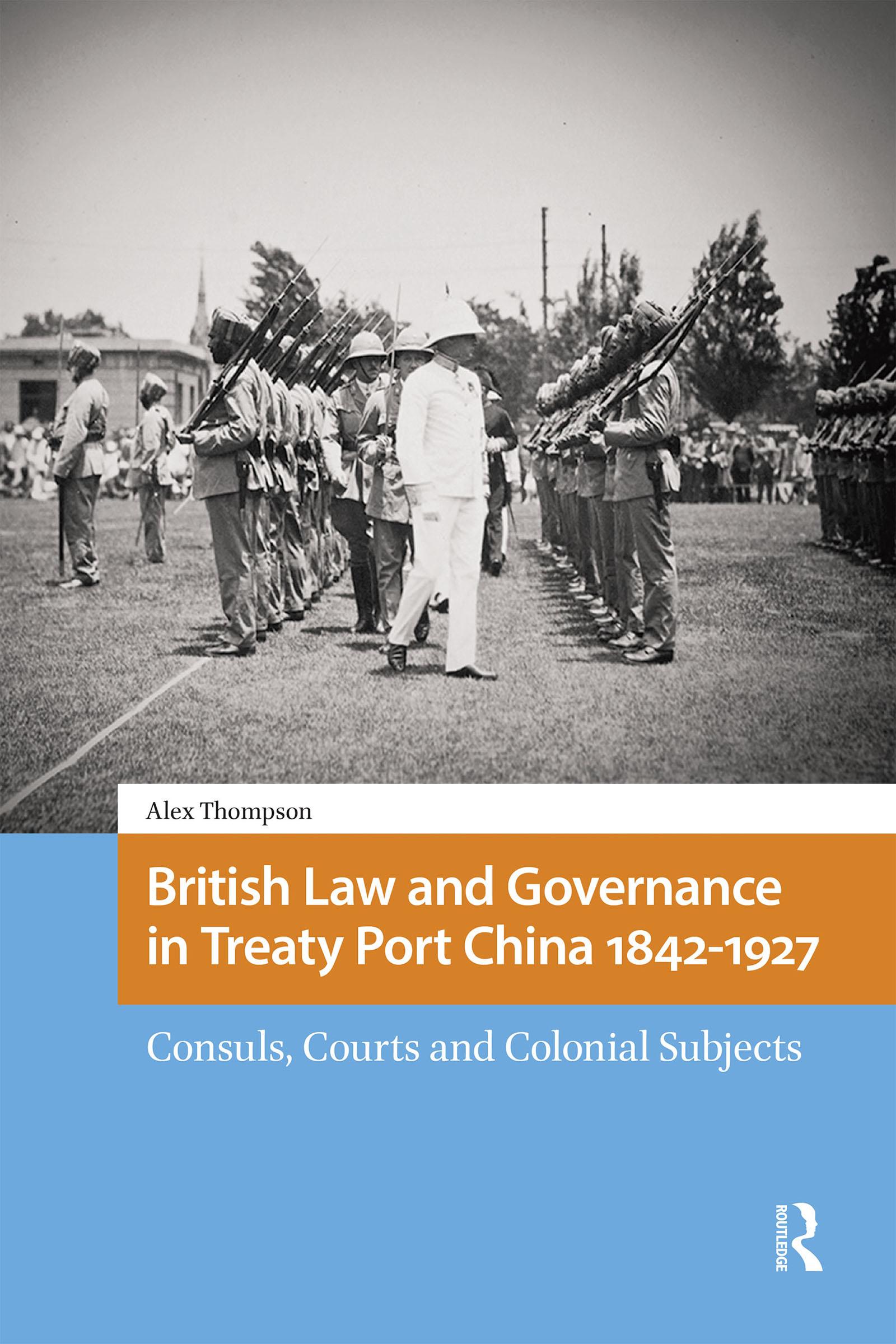
In putting extraterritoriality into practice in the treaty ports, the British state did not simply withdraw rights from the Chinese state; it inhabited the space made by extraterritoriality by building institutions and engaging in practices which had consequences for the development of the treaty ports, and which need to be at the forefront of any attempt to understand colonialism in China. Through a focus both on the creation of law and institutions, and also on the management of British ‘problem populations’ – violent Europeans and ‘martial’ Indians – this book provides a revision of the history of empire and colonialism in China, explaining important features which have to date been glossed over in studies of other aspects of treaty port colonialism. Colonialism in China casts a long shadow, but key aspects of the British state’s central role in this history have before now been little understood.
Betala smidigt med kort, Klarna, Apple Pay eller Google Pay. Är du inte nöjd har du alltid 14 dagars ångerrätt. Läs mer i våra villkor. Har du några frågor, mejla oss på hello@memmo.org.
Memmo gör det enklare att plugga – var du än är i världen. Hos oss samlar du kursböcker och smarta studieverktyg på ett och samma ställe: sammanfattningar, quiz, poddar och flashcards. Och så Ted, din studiekompis som svarar på allt du undrar. Över 50 000 studenter pluggar redan här – byggt för att du ska lära dig snabbare och stressa mindre.
Du kanske också gillar
Köp boken0