
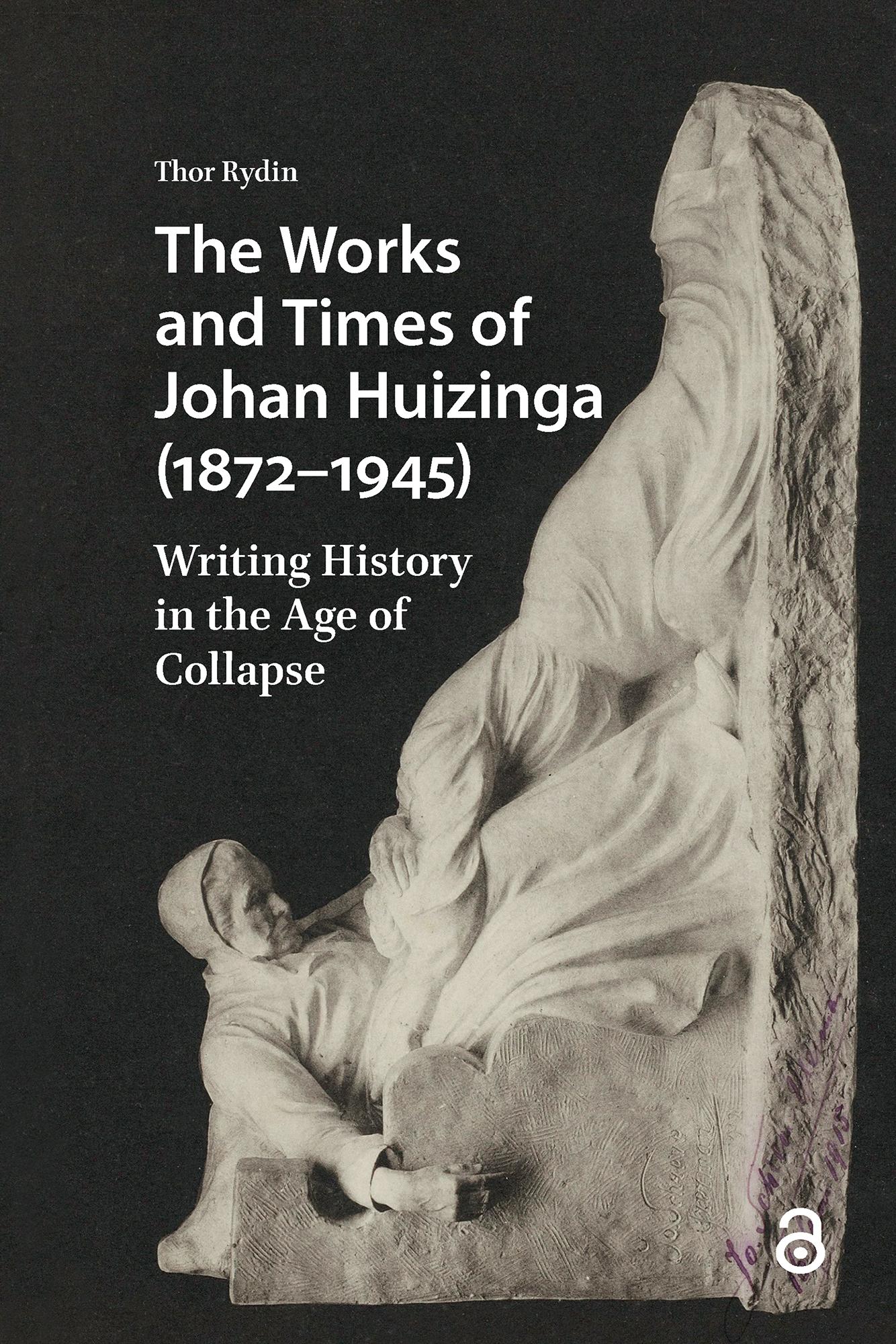
The lifetime of Johan Huizinga (1872-1945) was marked by dramatic transformations in Europe. Cityscapes, aesthetic codes, social orders, political cultures, international travel and means of warfare developed beyond recognition; entire catalogues of hopes and fears were torn asunder and replaced by new ones during not one but two wars. Amidst all these changes, Huizinga grew to become one of the most famous historians of his time. To this day, his works are treated as monuments in the cultural historical field. This book examines how these transformations and 'experiences of loss' affected and informed Huizinga's historical perspectives. Most centrally, this book contends that Huizinga's historical works helped to accommodate and give meaning to his own experiences of uncertainty and rupture, thus offering him a way of life in turbulent times. This project offers an original and comprehensive analysis of an iconic historian writing in the age of collapse.
Betala smidigt med kort, Klarna, Apple Pay eller Google Pay. Är du inte nöjd har du alltid 14 dagars ångerrätt. Läs mer i våra villkor. Har du några frågor, mejla oss på hello@memmo.org.
Memmo gör det enklare att plugga – var du än är i världen. Hos oss samlar du kursböcker och smarta studieverktyg på ett och samma ställe: sammanfattningar, quiz, poddar och flashcards. Och så Ted, din studiekompis som svarar på allt du undrar. Över 50 000 studenter pluggar redan här – byggt för att du ska lära dig snabbare och stressa mindre.
Du kanske också gillar
Köp boken0