
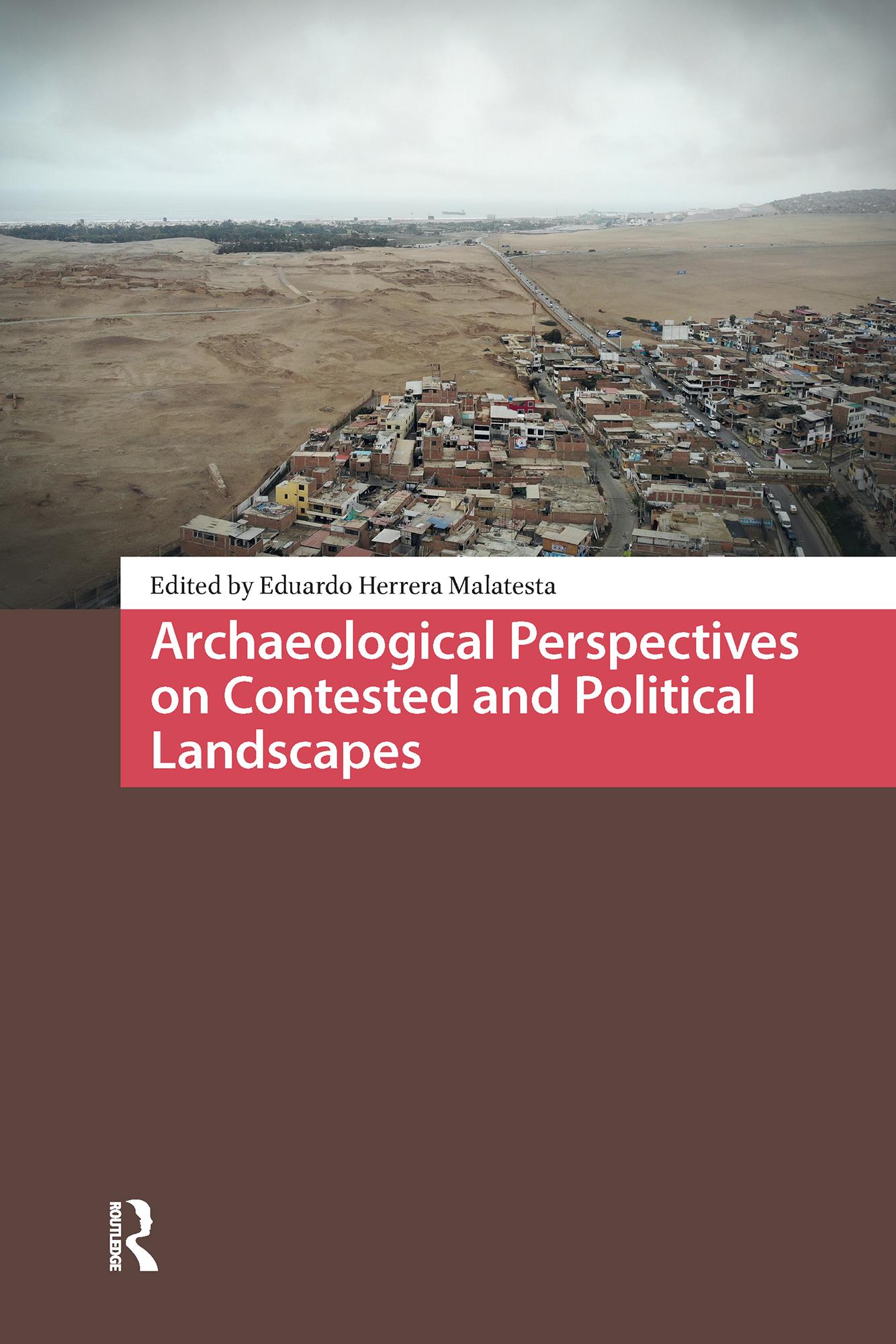
This book focuses on alternative definitions of landscape in archaeology, particularly those that explicitly address landscapes’ political aspects. In doing so, this volume emphasizes the non-static, dialogic nature of landscape within a community and acknowledges how a community’s composition and its relationship with the landscape can lead to tensions and even violent conflicts with other groups. It highlights the relevance of considering movement, borders, and conflict as sources for understanding how people create their own landscapes and how they reshape them in times of political conflict. For example, in contexts of colonization and war, people are forced to adapt to new politics and hierarchies as they see their personal and communal understanding of the world deeply transformed, something visible even today as political tensions constantly reshape local and global landscapes. Understanding how landscapes were created and contested in the past is essential for understanding their political, economic, and cultural manifestations in the present in order to better organize ourselves for a truly integrative future.
Betala smidigt med kort, Klarna, Apple Pay eller Google Pay. Är du inte nöjd har du alltid 14 dagars ångerrätt. Läs mer i våra villkor. Har du några frågor, mejla oss på hello@memmo.org.
Memmo gör det enklare att plugga – var du än är i världen. Hos oss samlar du kursböcker och smarta studieverktyg på ett och samma ställe: sammanfattningar, quiz, poddar och flashcards. Och så Ted, din studiekompis som svarar på allt du undrar. Över 50 000 studenter pluggar redan här – byggt för att du ska lära dig snabbare och stressa mindre.
Du kanske också gillar
Köp boken0