
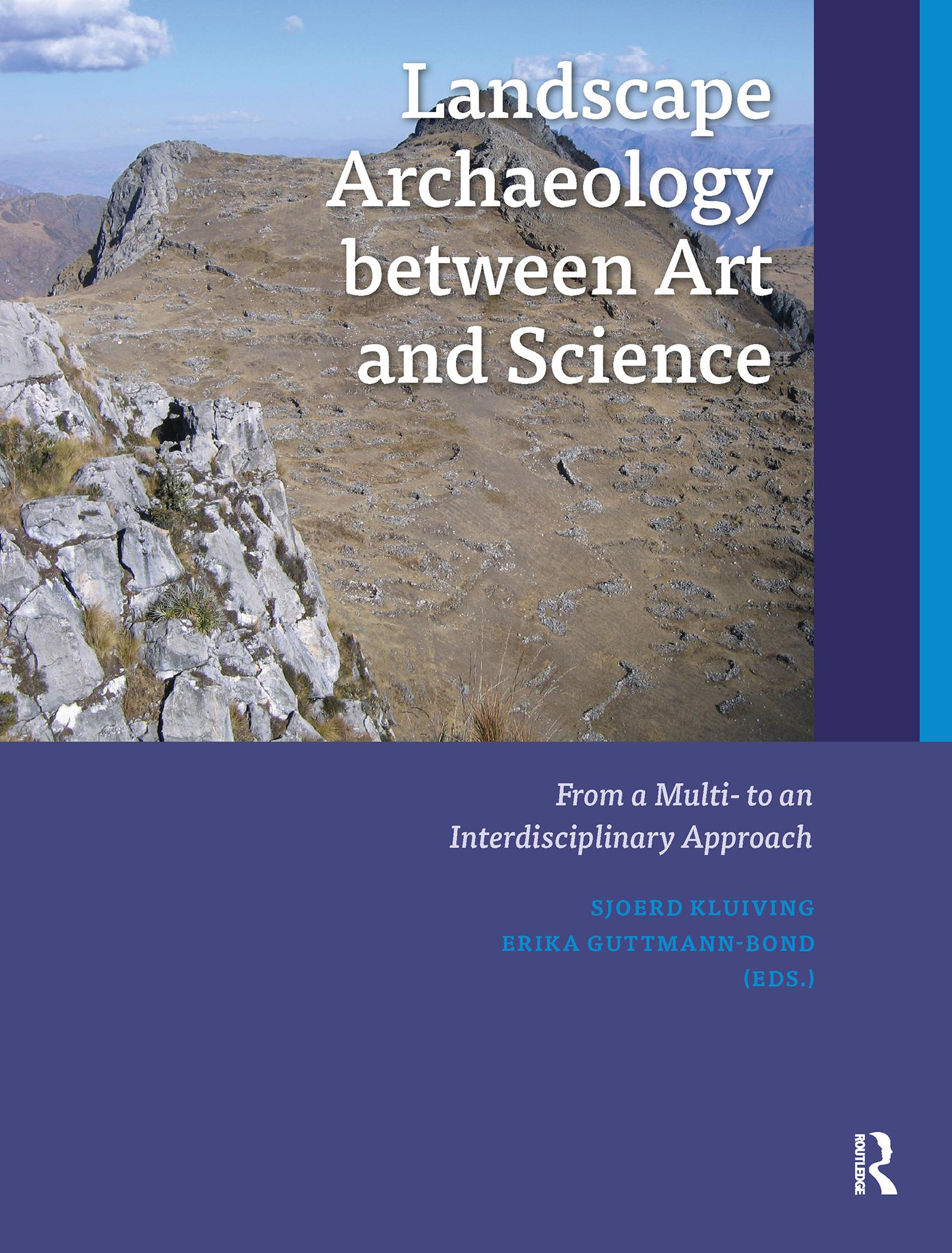
Researchers in landscape archaeology use two different definitions of landscape. One definition (landscape as territory) is used by the processual archaeologists, earth scientists, and most historical geographers within this volume. By contrast, post-processual archaeologists, new cultural geographers and anthropologists favour a more abstract definition of landscape, based on how it is perceived by the observer. Both definitions are addressed in this book, with 35 papers that are presented here and that are divided into six themes: 1) How did landscape change?; 2) Improving temporal, chronological and transformational frameworks; 3) Linking landscapes of lowlands with mountainous areas; 4) Applying concepts of scale; 5) New directions in digital prospection and modelling techniques, and 6) How will landscape archaeology develop in the future? This volume demonstrates a worldwide interest in landscape archaeology, and the research presented here draws upon and integrates the humanities and sciences. This interdisciplinary approach is rapidly gaining support in new regions where such collaborations were previously uncommon.
Betala smidigt med kort, Klarna, Apple Pay eller Google Pay. Är du inte nöjd har du alltid 14 dagars ångerrätt. Läs mer i våra villkor. Har du några frågor, mejla oss på hello@memmo.org.
Memmo gör det enklare att plugga – var du än är i världen. Hos oss samlar du kursböcker och smarta studieverktyg på ett och samma ställe: sammanfattningar, quiz, poddar och flashcards. Och så Ted, din studiekompis som svarar på allt du undrar. Över 50 000 studenter pluggar redan här – byggt för att du ska lära dig snabbare och stressa mindre.
Du kanske också gillar
Köp boken0