
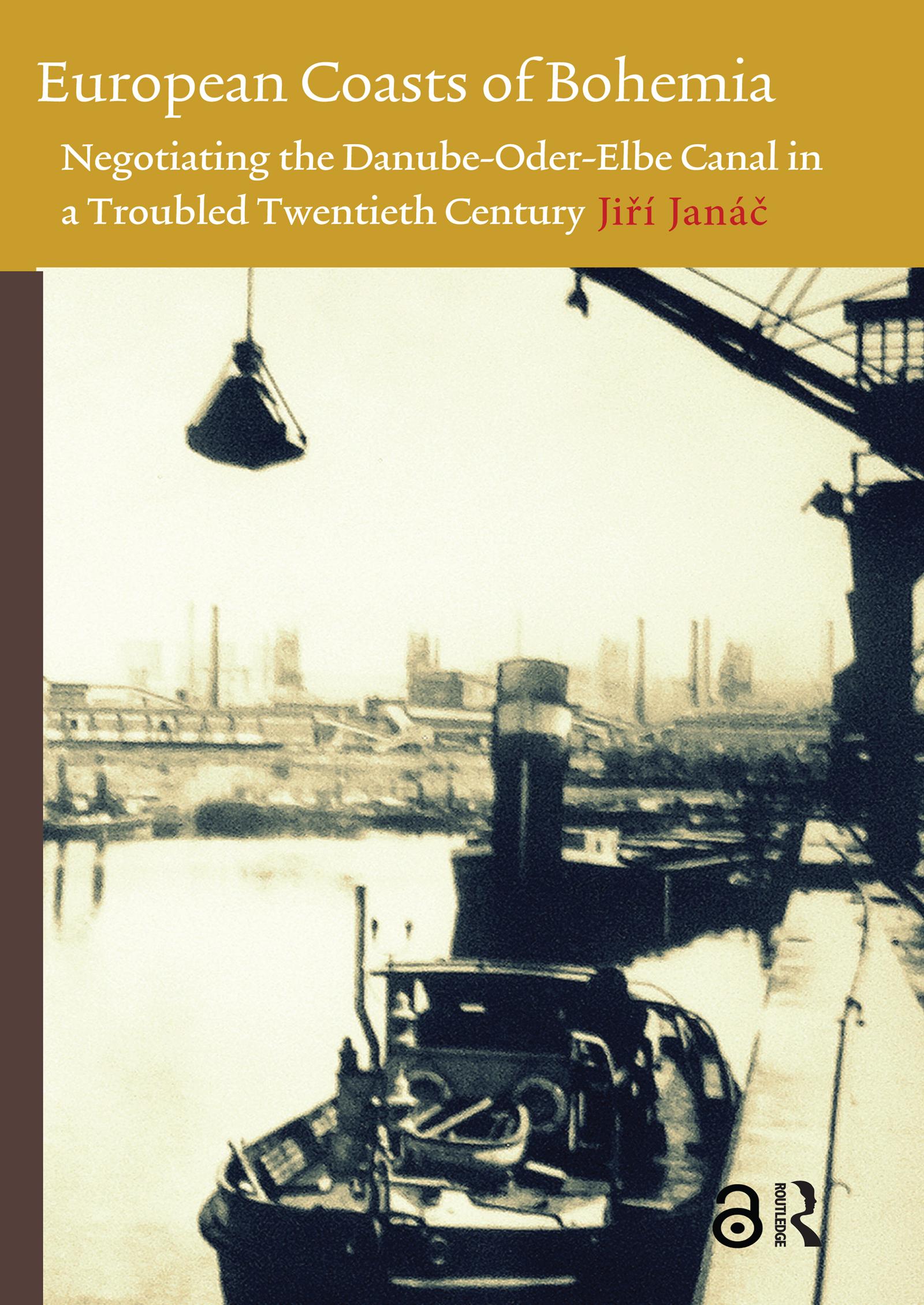
The Danube–Oder–Elbe Canal attracted a great deal of attention throughout the twentieth century. Its promoters, The Danube–Oder–Elbe Canal, attracted a great deal of attention throughout the twentieth century and defined it as a tool for integrating a divided Europe. Although the canal was situated almost exclusively on Czech territory, it promised to create an integrated waterway system across the Continent that would link Black Sea ports to Atlantic markets. In return, the landlocked Czechoslovakian state would have its own connections to the sea. Today, the canal is an important building block of the European Agreement on Main Inland Waterways.,This book provides a fascinating story of the experts who confronted and contributed to different and often conflicting geopolitical visions of Europe. The canal was never completed, yet what is more remarkable is the fact that the canal remained on various agendas and attracted vast resources throughout the twentieth century.
Betala smidigt med kort, Klarna, Apple Pay eller Google Pay. Är du inte nöjd har du alltid 14 dagars ångerrätt. Läs mer i våra villkor. Har du några frågor, mejla oss på hello@memmo.org.
Memmo gör det enklare att plugga – var du än är i världen. Hos oss samlar du kursböcker och smarta studieverktyg på ett och samma ställe: sammanfattningar, quiz, poddar och flashcards. Och så Ted, din studiekompis som svarar på allt du undrar. Över 50 000 studenter pluggar redan här – byggt för att du ska lära dig snabbare och stressa mindre.
Du kanske också gillar
Köp boken0