
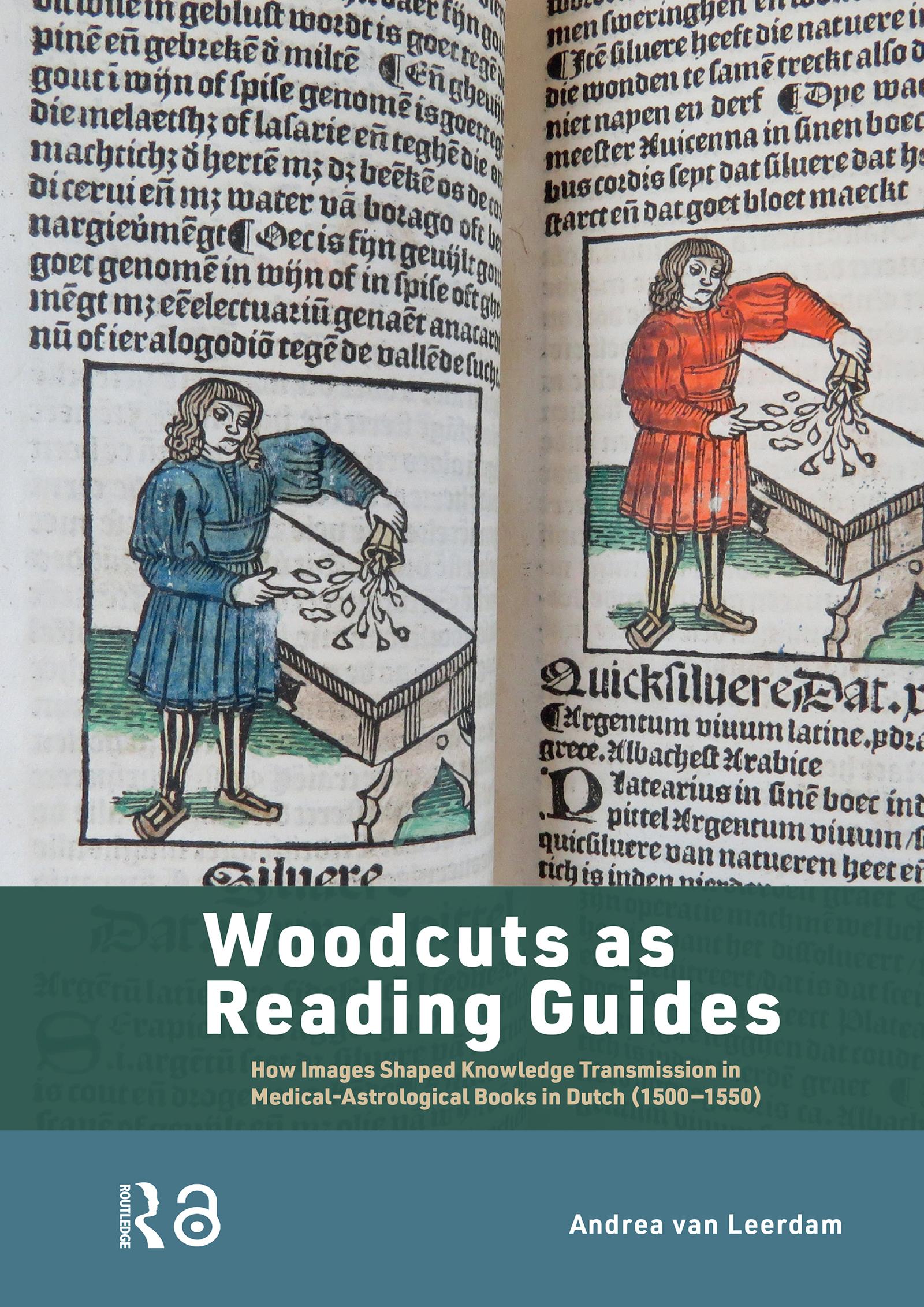
In the first half of the sixteenth century, the Low Countries saw the rise of a lively market for practical and instructive books that targeted non-specialist readers. This study shows how woodcuts in vernacular books on medicine and astrology fulfilled important rhetorical functions in knowledge communication. These images guided readers’ perceptions of the organisation, visualisation, and reliability of knowledge. Andrea van Leerdam uncovers the assumptions and intentions of book producers to which images testify, and shows how actual readers engaged with these illustrated books. Drawing on insights from the field of information design studies, she scrutinises the books’ material characteristics, including their lay-outs and traces of use, to shed light on the habits and interests of early modern readers. She situates these works in a culture where medicine and astrology were closely interwoven in daily life and where both book producers and readers were exploring the potential of images.
Betala smidigt med kort, Klarna, Apple Pay eller Google Pay. Är du inte nöjd har du alltid 14 dagars ångerrätt. Läs mer i våra villkor. Har du några frågor, mejla oss på hello@memmo.org.
Memmo gör det enklare att plugga – var du än är i världen. Hos oss samlar du kursböcker och smarta studieverktyg på ett och samma ställe: sammanfattningar, quiz, poddar och flashcards. Och så Ted, din studiekompis som svarar på allt du undrar. Över 50 000 studenter pluggar redan här – byggt för att du ska lära dig snabbare och stressa mindre.
Du kanske också gillar
Köp boken0