
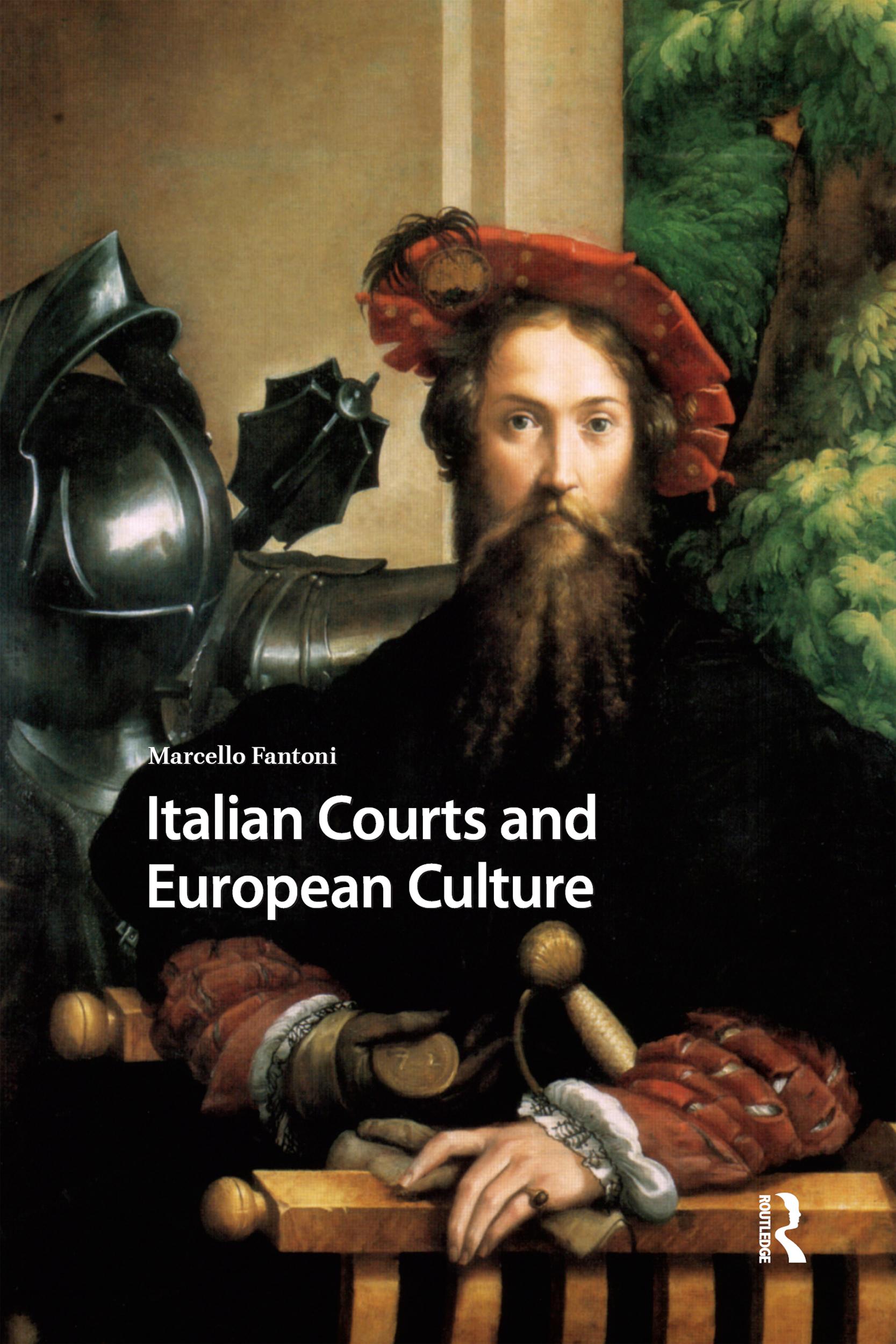
Between the fifteenth and the eighteenth century, princely courts dominated the Italian political scene. These courts were effervescent centers of cultural production. As such, they became a model for European monarchies who imported Italian courtly forma del vivere (‘style of life’) to legitimize their power and to define social status. This phenomenon included architecture and painting, theater and music, manners and aesthetics, and all the objects, behaviors and beliefs that contributed to homogenize European culture in the age of the Old Regime. It involved a hemorrhage of art and a continuous circulation of people, texts and symbols. The foundational material for this process was classicism and its purpose was political. This delineates a new geography and chronology of a truly European cultural history. It also provides the key traits for the European cultural identity. This book offers a comprehensive reconstruction of the Italian geo-political map focused on courts (thirteenth - seventeenth centuries) and analyses the homogeneity of political forms and of the Italian Christian-Classicist culture.
Betala smidigt med kort, Klarna, Apple Pay eller Google Pay. Är du inte nöjd har du alltid 14 dagars ångerrätt. Läs mer i våra villkor. Har du några frågor, mejla oss på hello@memmo.org.
Memmo gör det enklare att plugga – var du än är i världen. Hos oss samlar du kursböcker och smarta studieverktyg på ett och samma ställe: sammanfattningar, quiz, poddar och flashcards. Och så Ted, din studiekompis som svarar på allt du undrar. Över 50 000 studenter pluggar redan här – byggt för att du ska lära dig snabbare och stressa mindre.