
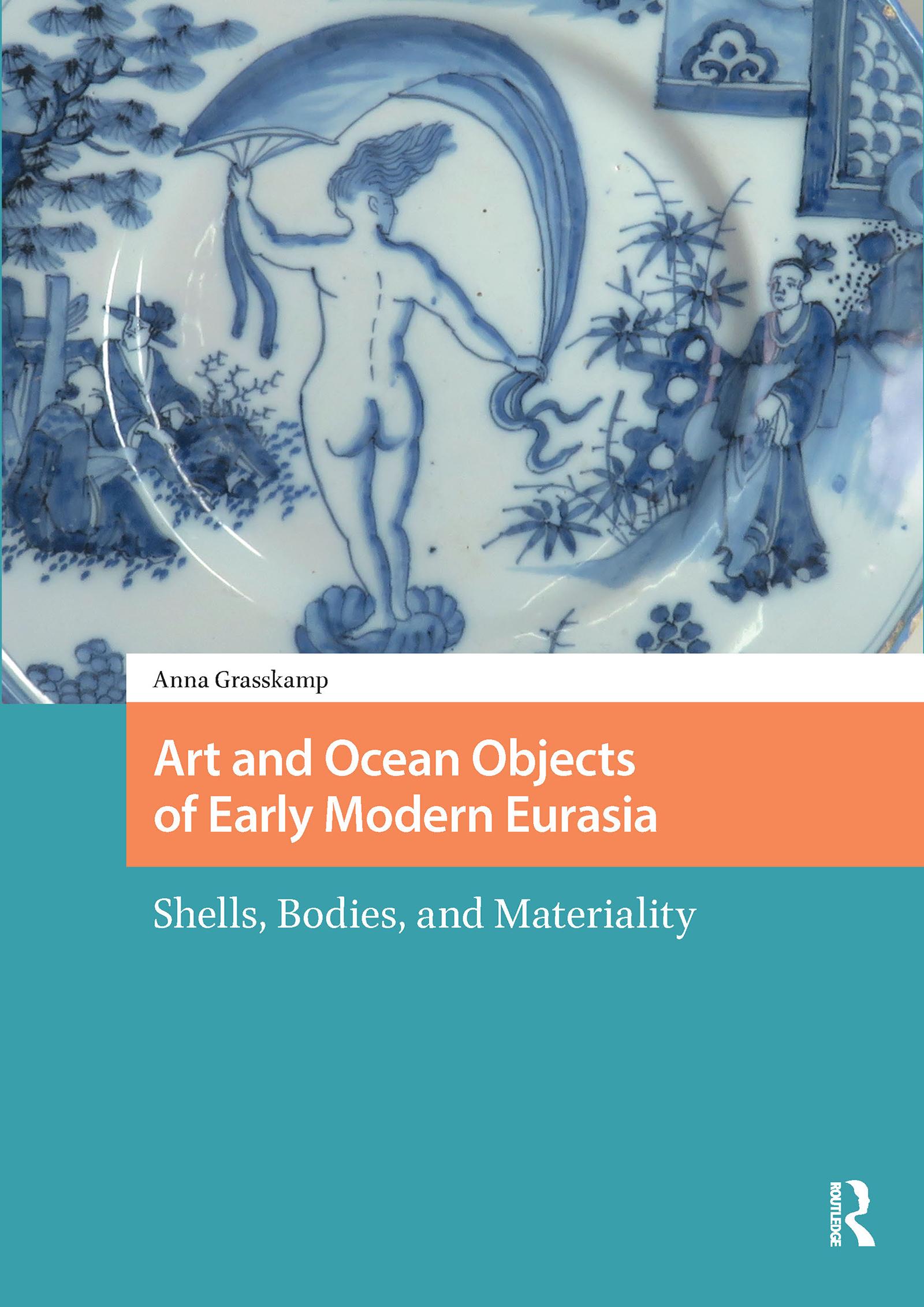
During the early modern period, objects of maritime material culture were removed from their places of origin and traded, collected and displayed worldwide. Focusing on shells and pearls exchanged within local and global networks, this monograph compares and connects Asian, in particular Chinese, and European practices of oceanic exploitation in the framework of a transcultural history of art with an understanding of maritime material culture as gendered. Perceiving the ocean as mother of all things, as womb and birthplace, Chinese and European artists and collectors exoticized and eroticized shells’ shapes and surfaces. Defining China and Europe as spaces entangled with South and Southeast Asian sites of knowledge production, source and supply between 1500 and 1700, the book understands oceanic goods and maritime networks as transcending and subverting territorial and topographical boundaries. It also links the study of globally connected port cities to local ecologies of oceanic exploitation and creative practices.
Betala smidigt med kort, Klarna, Apple Pay eller Google Pay. Är du inte nöjd har du alltid 14 dagars ångerrätt. Läs mer i våra villkor. Har du några frågor, mejla oss på hello@memmo.org.
Memmo gör det enklare att plugga – var du än är i världen. Hos oss samlar du kursböcker och smarta studieverktyg på ett och samma ställe: sammanfattningar, quiz, poddar och flashcards. Och så Ted, din studiekompis som svarar på allt du undrar. Över 75 000 studenter pluggar redan här – byggt för att du ska lära dig snabbare och stressa mindre.
Du kanske också gillar
Köp boken0