
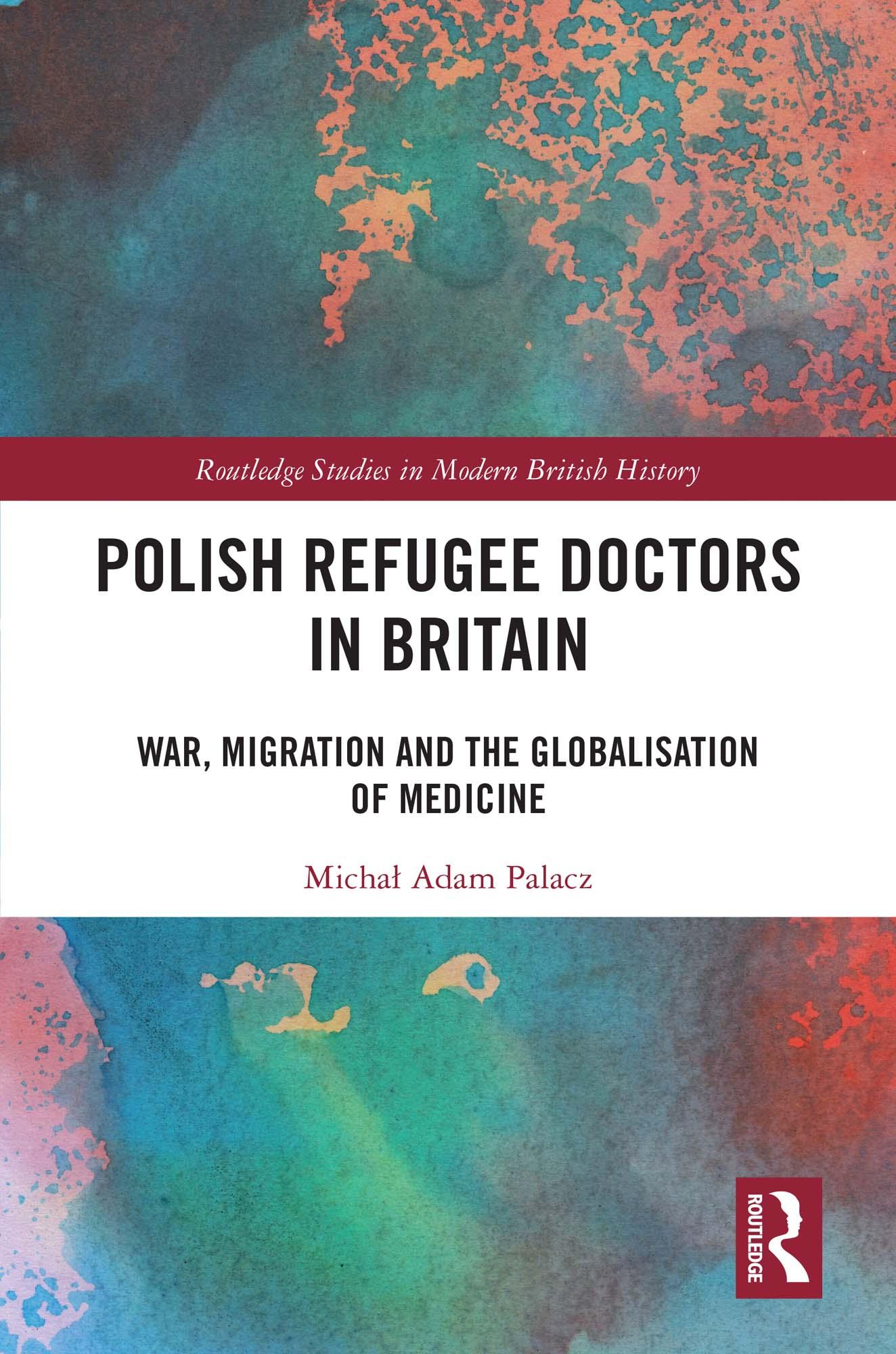
Combining global history methods with insights from migration studies, this book discusses refugee integration and challenges the view of medical migration as a “brain drain” of foreign-trained professionals that benefits only the receiving society.
This volume explores the reception of Polish refugee doctors and medical students within the broader context of increasingly restrictive immigration policies in Britain. While many British physicians in the 1930s and 1940s opposed the recognition of foreign medical qualifications, the admission of persecuted physicians from the mainland was advocated on humanitarian grounds by many prominent academics and clinicians who also saw in the arrival of scientifically trained Europeans an opportunity to modernise British medicine. This book examines the changing attitudes towards Polish medical refugees in Britain and adopts Paul Weindling’s “total population approach”, which takes into account not only well-integrated high achievers but also those who, for various reasons, were not able to resume successful professional careers in different countries of post-war settlement.
Polish Refugee Doctors in Britain will be invaluable to researchers and post-graduate students interested in the history of medicine, migration studies and World War II. It will also be of interest to medical practitioners and Polish communities in Britain and North America, particularly members of the Polish Medical Association in Great Britain.
Betala smidigt med kort, Klarna, Apple Pay eller Google Pay. Är du inte nöjd har du alltid 14 dagars ångerrätt. Läs mer i våra villkor. Har du några frågor, mejla oss på hello@memmo.org.
Memmo gör det enklare att plugga – var du än är i världen. Hos oss samlar du kursböcker och smarta studieverktyg på ett och samma ställe: sammanfattningar, quiz, poddar och flashcards. Och så Ted, din studiekompis som svarar på allt du undrar. Över 50 000 studenter pluggar redan här – byggt för att du ska lära dig snabbare och stressa mindre.