
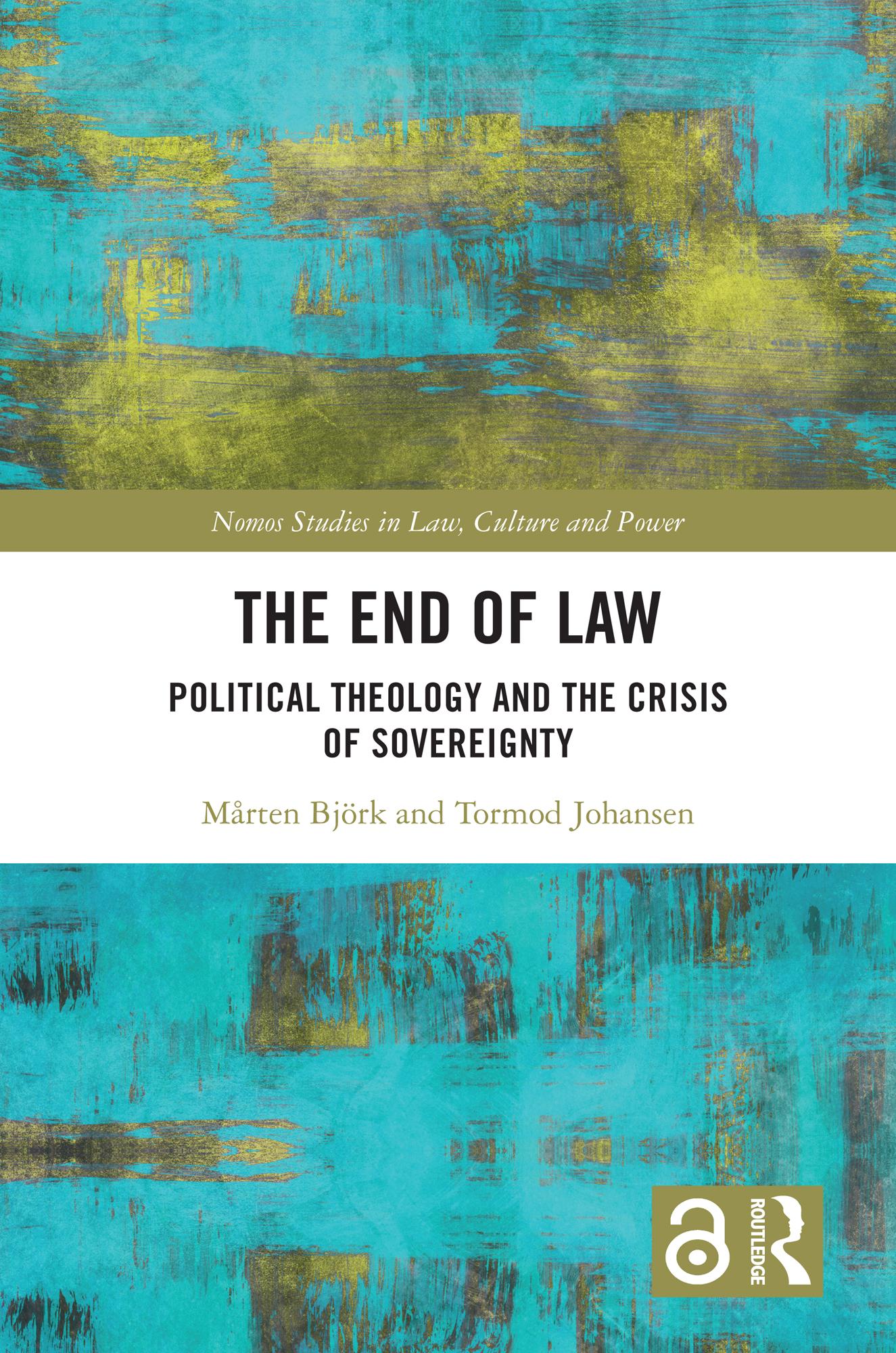
This book examines how Gustav Radbruch, H. L. A. Hart, and Ernst-Wolfgang Böckenförde each addressed the question of the end of law, its function, and its normative foundation within the context of the modern legal and political order. Through a politico-theological reading, it highlights the tension between legal validity and moral legitimacy, as well as the extent to which law can maintain public order without compromising its own claim to justice.
The analysis of Radbruch, Hart, and Böckenförde sheds light on how valid law can become unjust, demanding actions that may conflict with individual judgment or morality. It raises questions about natural law, the relationship between morality and law, and law’s ultimate purpose, suggesting that law and politics represent, at best, a relative good. It addresses the broader crisis of legal authority and state sovereignty, the expanding reach of state power, and whether law should instruct, command, or ultimately point beyond itself.
The End of Law is of interest to scholars in legal theory, political theology, and the philosophy of law.
The Open Access version of this book, available at http://www.taylorfrancis.com, has been made available under a Creative Commons Attribution (CC BY) 4.0 license
Betala smidigt med kort, Klarna, Apple Pay eller Google Pay. Är du inte nöjd har du alltid 14 dagars ångerrätt. Läs mer i våra villkor. Har du några frågor, mejla oss på hello@memmo.org.
Memmo gör det enklare att plugga – var du än är i världen. Hos oss samlar du kursböcker och smarta studieverktyg på ett och samma ställe: sammanfattningar, quiz, poddar och flashcards. Och så Ted, din studiekompis som svarar på allt du undrar. Över 50 000 studenter pluggar redan här – byggt för att du ska lära dig snabbare och stressa mindre.