
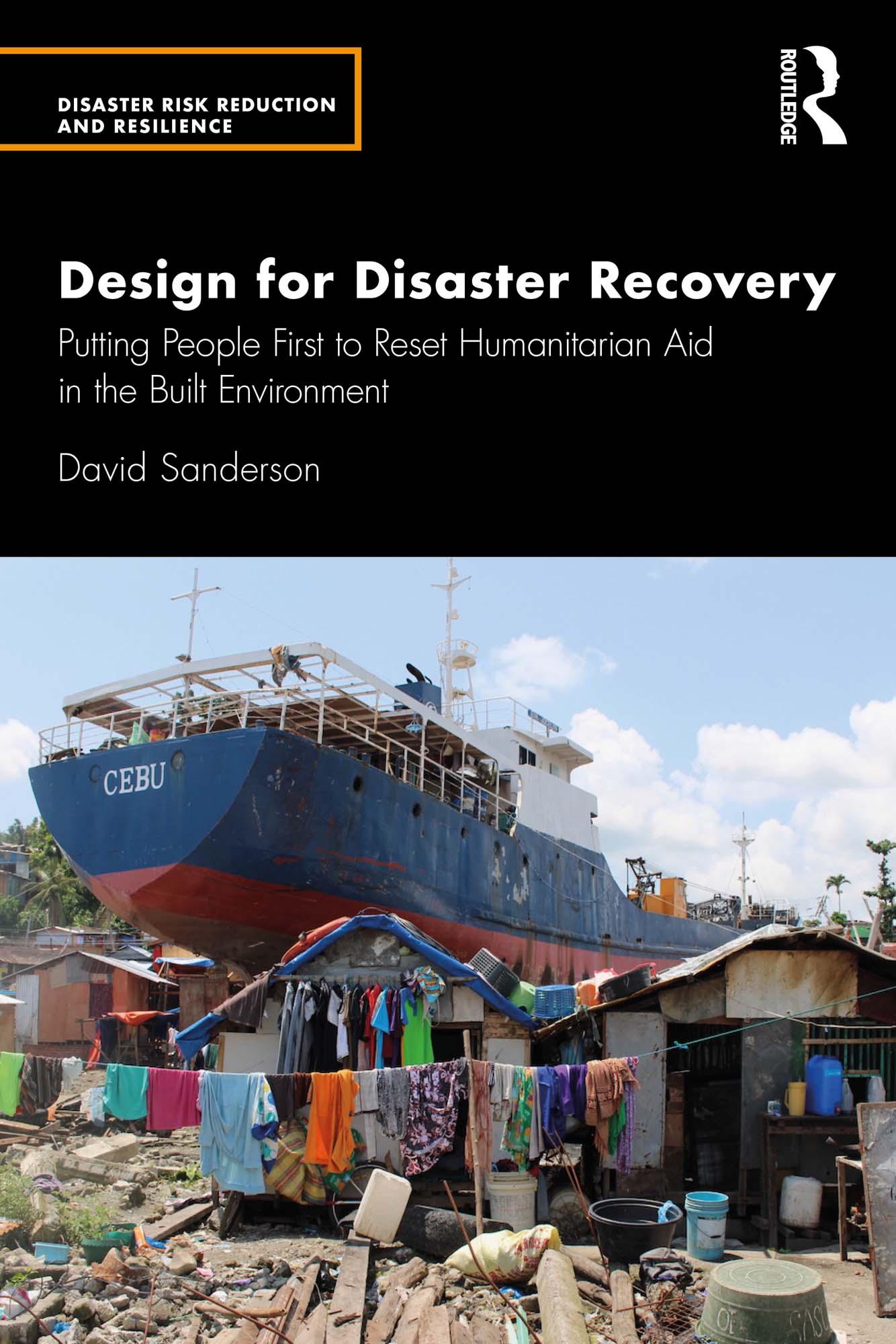
At a time of escalating urban disasters and sharply reduced aid budgets, humanitarian aid, long held in need of reform, has no choice but to reset.
This book argues that humanitarian aid must accomplish this reset by prioritising people’s agency and localising responses. This book provides lessons learned from leading practitioners working in urban development who dissented from established top-down practices to forge better, people-centred approaches. These lessons are compared with the wicked problem of post-disaster shelter provision, reviewing good approaches that work, and some bad ones that don’t. This book ends by proposing three ways for aid to let go, through supporting and trusting people to do the right thing.
This book ultimately seeks to reinforce that engaging in processes is vital for effective disaster recovery programmes. That means putting first those caught up in disaster and supporting local organisations who are best placed to provide the right support. It will be crucial reading for anyone working in humanitarian aid, especially planners, architects, engineers and community development practitioners.
Betala smidigt med kort, Klarna, Apple Pay eller Google Pay. Är du inte nöjd har du alltid 14 dagars ångerrätt. Läs mer i våra villkor. Har du några frågor, mejla oss på hello@memmo.org.
Memmo gör det enklare att plugga – var du än är i världen. Hos oss samlar du kursböcker och smarta studieverktyg på ett och samma ställe: sammanfattningar, quiz, poddar och flashcards. Och så Ted, din studiekompis som svarar på allt du undrar. Över 75 000 studenter pluggar redan här – byggt för att du ska lära dig snabbare och stressa mindre.