
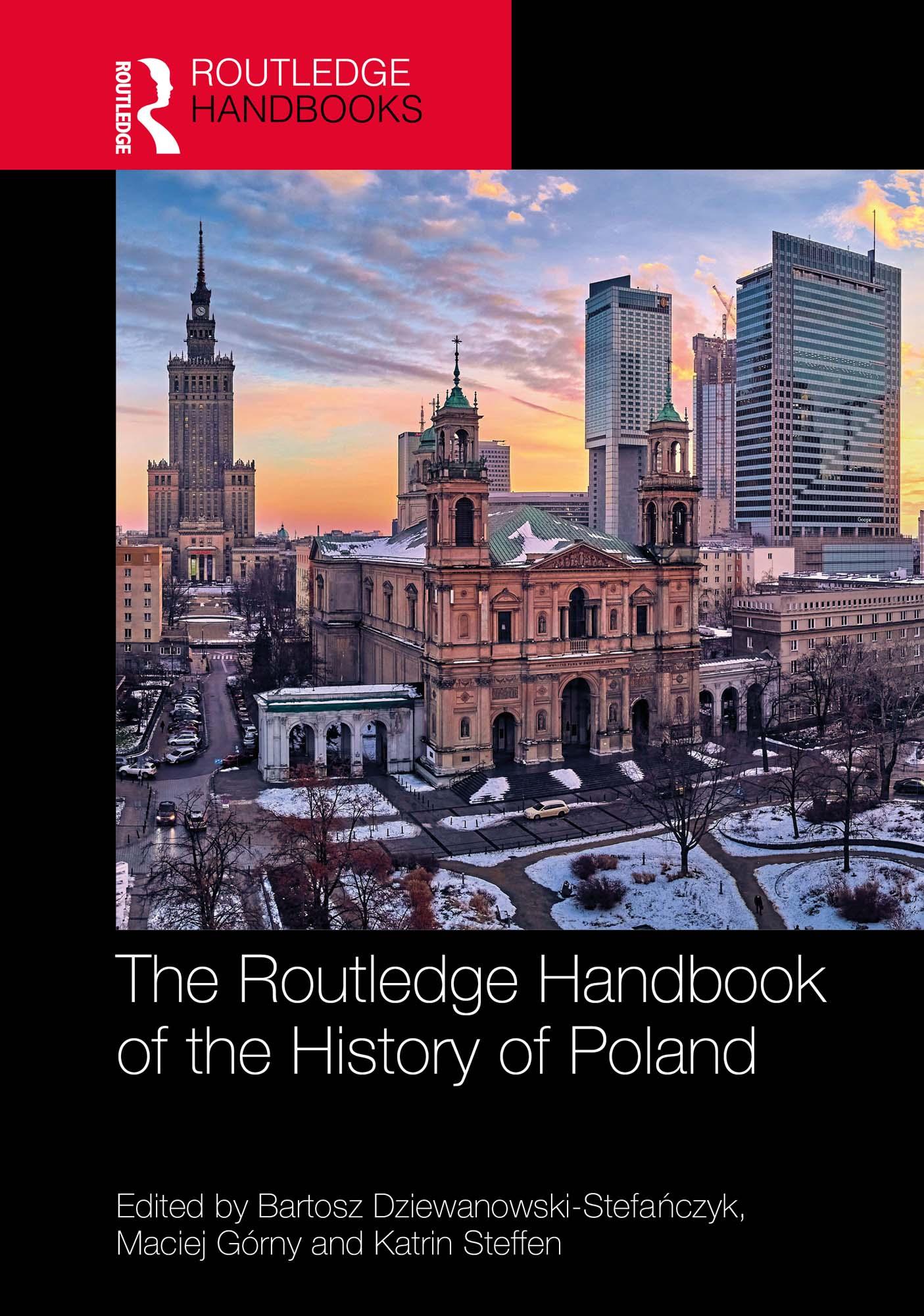
This book presents the history of Poland through the lens of selected phenomena that demonstrate pan-European and global processes. It tells the story of feudalism, parliamentarism, nationalism and modernization, and explains how these processes emerged, developed or were implemented in Poland.
The comparative method adopted here aims to study the links and transnational entanglements within the region on the basis that the optimal way of writing about a country in East Central Europe is to combine national history with a regional approach. Rather than relegating the themes of gender and diversity (cultural, ethnic, social and religious) to separate chapters, the authors aim to integrate these topics into all texts, informed by their knowledge, sources and empathy. Finally, this volume recounts both facts and the distorted paths taken by the memorialization of historic events. In doing so, it seeks to answer the fundamental question: “How unique can a country’s history really be?”
This volume will be useful both for beginning students and for advanced scholars who specialize in the history of Poland and the entire region of East Central Europe to gain new information and interpretations on topics beyond their key areas of focus.
Betala smidigt med kort, Klarna, Apple Pay eller Google Pay. Är du inte nöjd har du alltid 14 dagars ångerrätt. Läs mer i våra villkor. Har du några frågor, mejla oss på hello@memmo.org.
Memmo gör det enklare att plugga – var du än är i världen. Hos oss samlar du kursböcker och smarta studieverktyg på ett och samma ställe: sammanfattningar, quiz, poddar och flashcards. Och så Ted, din studiekompis som svarar på allt du undrar. Över 50 000 studenter pluggar redan här – byggt för att du ska lära dig snabbare och stressa mindre.