
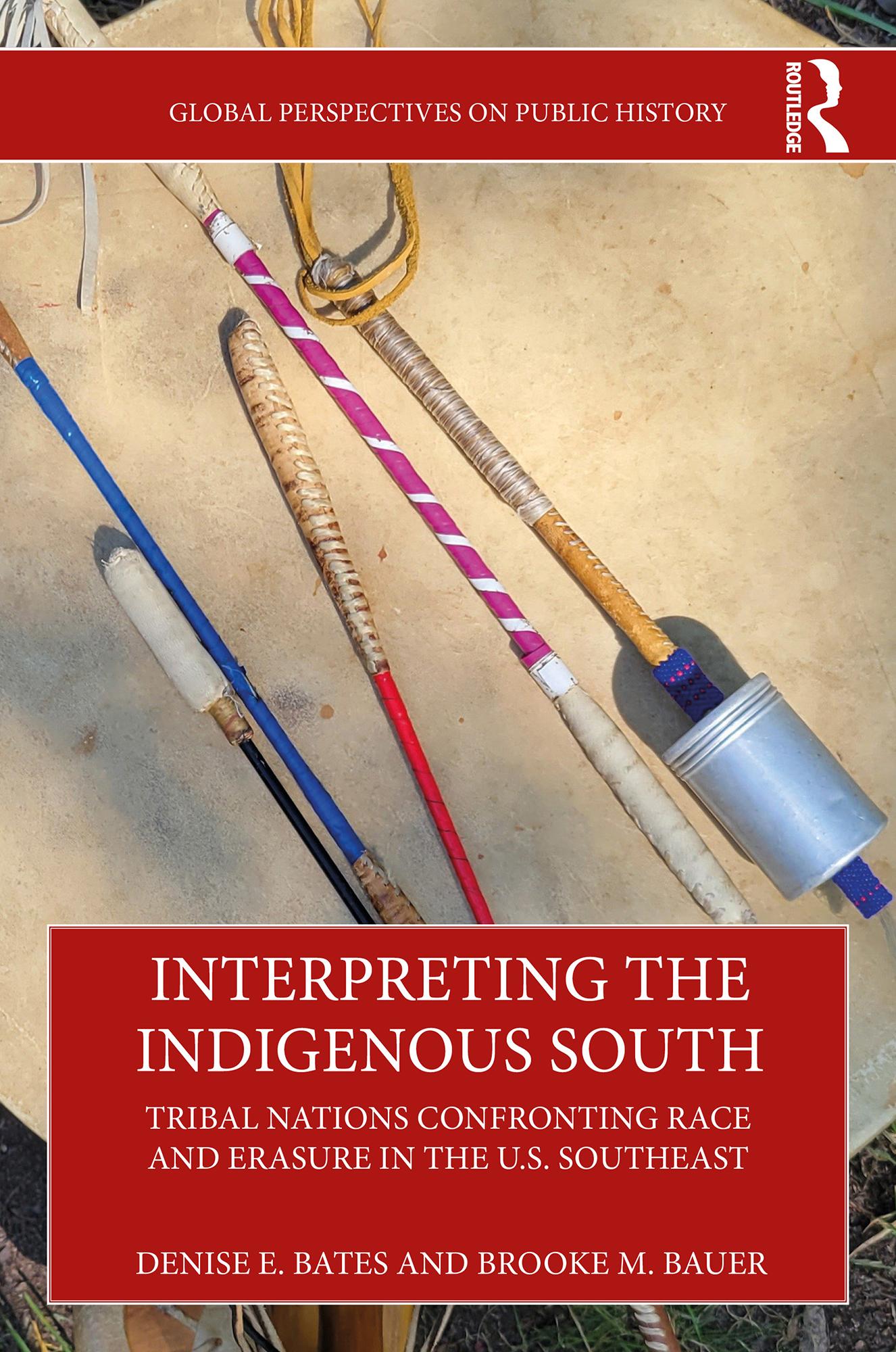
Interpreting the Indigenous South reframes public history as a space of Indigenous authority and self-representation, where communities define how their histories are told, their knowledge preserved, and their relationships to place understood.
In the American South, where Indigenous histories have long been obscured by narratives of disappearance, Native nations are not only present but are actively reclaiming how their stories are told. Drawing on vivid examples from across the region, this book shows how tribal nations have transformed museums, archives, landscapes, and public platforms into instruments of cultural survival and continuity. The book reveals how Indigenous communities are using public history as a living practice to sustain their identities and project their futures. From environmental stewardship and commemorative journeys to digital storytelling and intergenerational teaching, what outsiders may dismiss as performance or tourism emerges as a strategic practice.
By exploring different methodological approaches and providing multiple examples of how tribal communities are involved in the co-production of knowledge and historical interventions, this book will appeal to students and scholars of Native American studies and history, as well as public history practitioners.
Betala smidigt med kort, Klarna, Apple Pay eller Google Pay. Är du inte nöjd har du alltid 14 dagars ångerrätt. Läs mer i våra villkor. Har du några frågor, mejla oss på hello@memmo.org.
Memmo gör det enklare att plugga – var du än är i världen. Hos oss samlar du kursböcker och smarta studieverktyg på ett och samma ställe: sammanfattningar, quiz, poddar och flashcards. Och så Ted, din studiekompis som svarar på allt du undrar. Över 50 000 studenter pluggar redan här – byggt för att du ska lära dig snabbare och stressa mindre.