
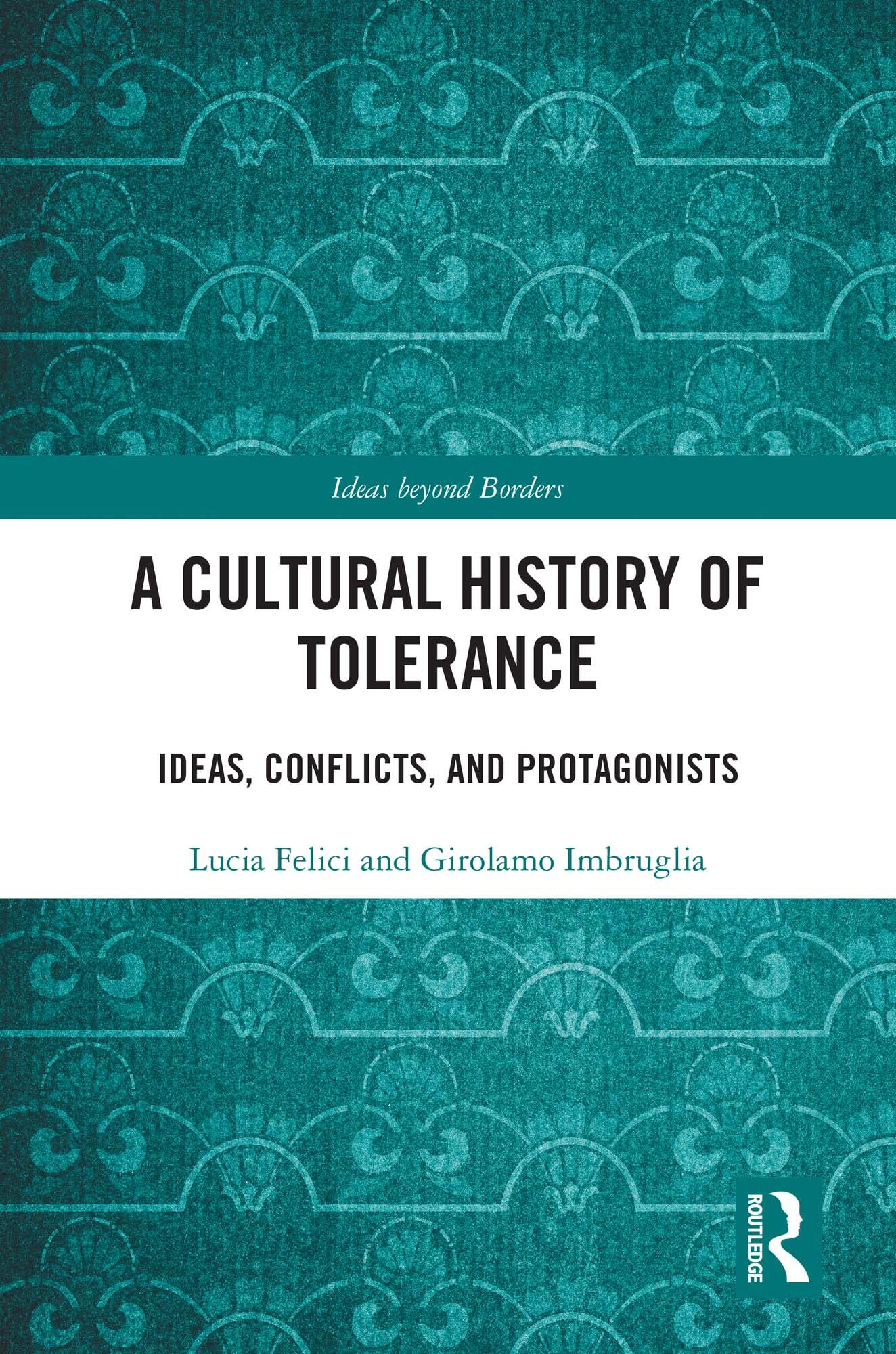
Covering the entire European system and its relations with the East and America, this first global history of tolerance in early modern Europe describes how the ideal of tolerance and its realisation transformed both the religious and political life of the modern world.
In the 16th century, Christianity was split apart by the Lutheran revolt, a fracture which would become a political one. Erasmus, Castellio, and the Socinians defended the freedom of conscience and of faith, and the right to belong to a heretical church. The violent political clashes in France, Holland, and Great Britain seemed to make the latter impossible, as the relationship between religion and politics was at the centre of those conflicts. The theory of a new politics was devised by Hobbes and developed by Spinoza and Locke: Sovereignty was not to be religious but secular, and tolerance would become civil liberty. A Cultural History of Tolerance shows how political power and religious doctrine together shaped both persecution and emerging ideas of tolerance, laying the groundwork for later debates.
This book is intended for professors, academic researchers, students, and general readers interested in early modern Europe, political ideas, and the history of religion.
Betala smidigt med kort, Klarna, Apple Pay eller Google Pay. Är du inte nöjd har du alltid 14 dagars ångerrätt. Läs mer i våra villkor. Har du några frågor, mejla oss på hello@memmo.org.
Memmo gör det enklare att plugga – var du än är i världen. Hos oss samlar du kursböcker och smarta studieverktyg på ett och samma ställe: sammanfattningar, quiz, poddar och flashcards. Och så Ted, din studiekompis som svarar på allt du undrar. Över 50 000 studenter pluggar redan här – byggt för att du ska lära dig snabbare och stressa mindre.