
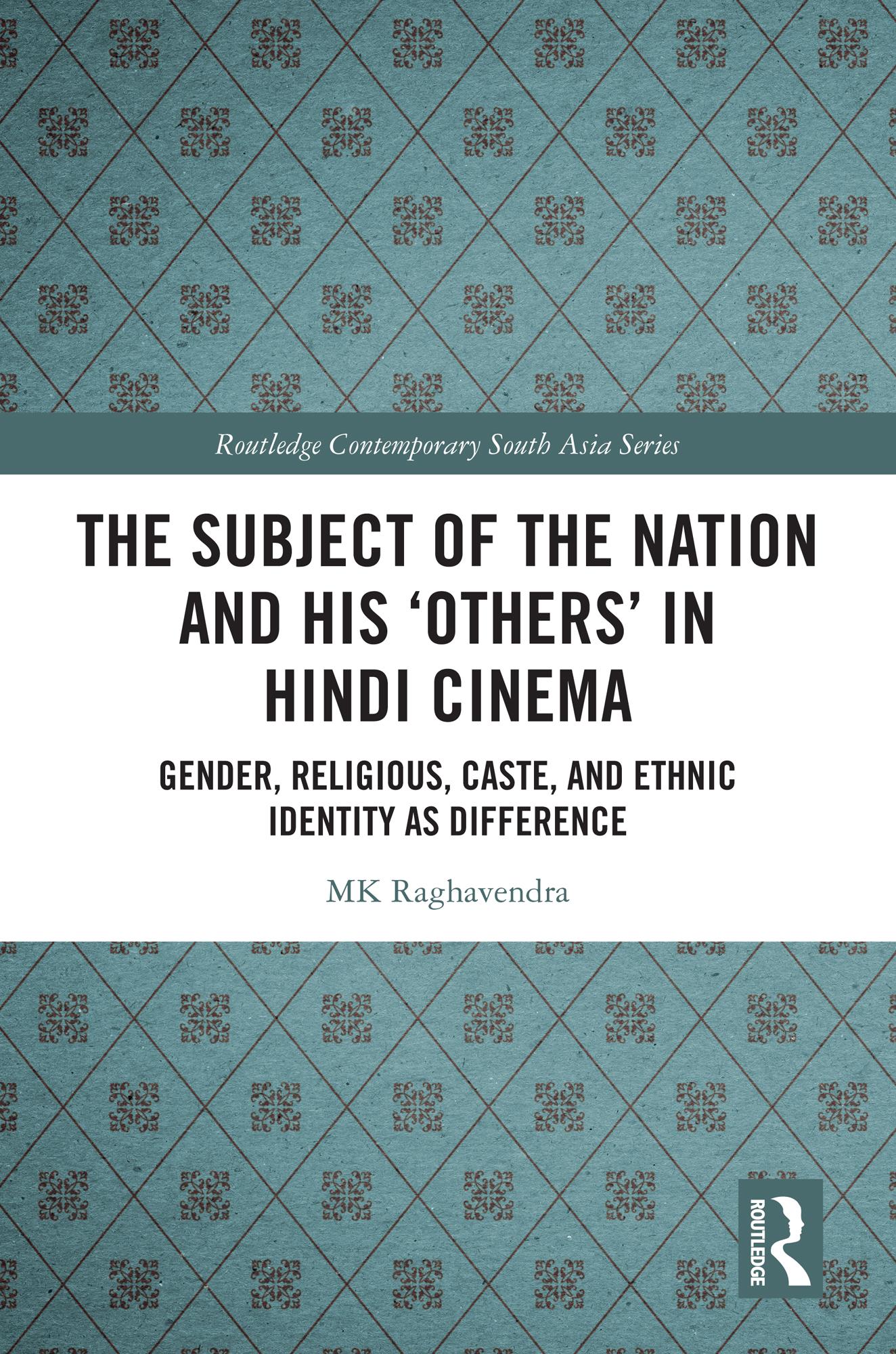
This book analyzes the representations of the subjects of Hindi cinema as a way of gaining insights into the hegemony of the upper-caste Hindu male in narratives of nationhood.
Given that Hindi cinema has narrativized the nation after 1947, the book examines how these subjects were chosen and argues that they were upper-caste, Hindu and predominantly male. The author's analysis shows asymmetries in the constitution of the ‘imagined nation’ in the public consciousness. Women, the marginalized categories, and minorities were presented as ‘others’ with separate stories for the issues dealing with them—but distinct from that of the nation. Stories centered on women primarily highlight their position within society. In this context, the book argues that it is the male protagonist whose story mirrors that of the nation as allegory.
A novel contribution to the field of Bollywood Studies, this insightful work will be of interest to those studying Hindi cinema and film studies, political science and history, as well as gender studies.
Betala smidigt med kort, Klarna, Apple Pay eller Google Pay. Är du inte nöjd har du alltid 14 dagars ångerrätt. Läs mer i våra villkor. Har du några frågor, mejla oss på hello@memmo.org.
Memmo gör det enklare att plugga – var du än är i världen. Hos oss samlar du kursböcker och smarta studieverktyg på ett och samma ställe: sammanfattningar, quiz, poddar och flashcards. Och så Ted, din studiekompis som svarar på allt du undrar. Över 50 000 studenter pluggar redan här – byggt för att du ska lära dig snabbare och stressa mindre.