
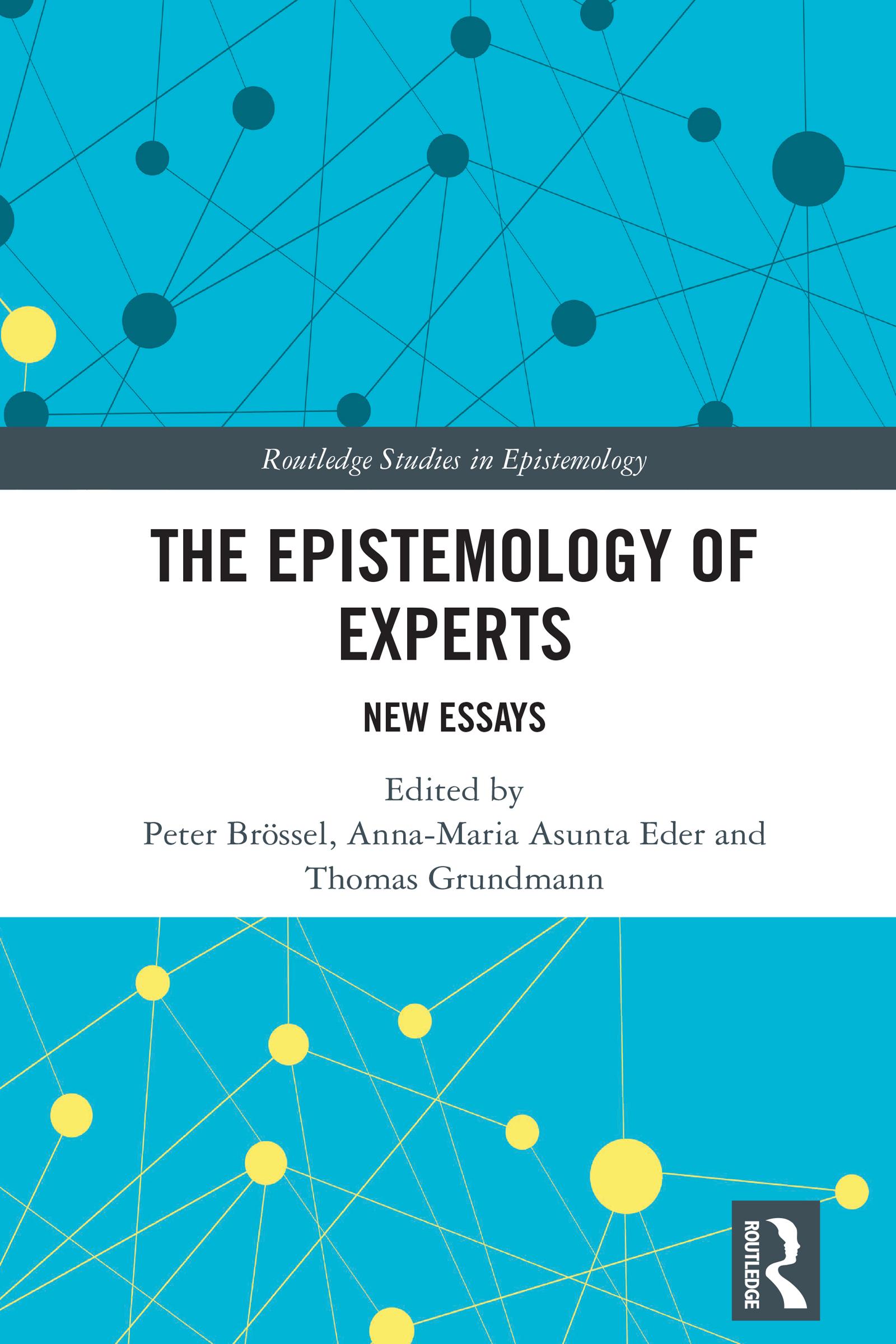
This volume presents new research on the epistemology of experts. It features original essays from leading epistemologists on this timely topic.
Modern societies benefit significantly from a certain kind of epistemic division of labor: they outsource much of their epistemic work to well-trained cognitive experts. However, due to their degree of specialization, cognitive sophistication, and highly privileged status, cognitive experts tend to become alienated from laypeople. This leads to what one may call the paradox of experts: as experts become more competent, specialized, and sophisticated, the harder it will be for laypeople to identify and trust experts. The chapters in this volume explore the epistemology of expert judgment across several core themes and crucial questions:
- Analysis of Experts: What does it take to be a cognitive expert?
- Epistemic Authority: How much should we concede experts over laypeople?
- The Social Roles of Experts: What role do experts play in society, and what role should they play?
- Challenges: What problems arise from experts’ epistemic authority and societal role?
The Epistemology of Experts is an essential resource for scholars and advanced students working in epistemology, philosophy of science, political philosophy, and the sociology of knowledge.
Betala smidigt med kort, Klarna, Apple Pay eller Google Pay. Är du inte nöjd har du alltid 14 dagars ångerrätt. Läs mer i våra villkor. Har du några frågor, mejla oss på hello@memmo.org.
Memmo gör det enklare att plugga – var du än är i världen. Hos oss samlar du kursböcker och smarta studieverktyg på ett och samma ställe: sammanfattningar, quiz, poddar och flashcards. Och så Ted, din studiekompis som svarar på allt du undrar. Över 50 000 studenter pluggar redan här – byggt för att du ska lära dig snabbare och stressa mindre.