
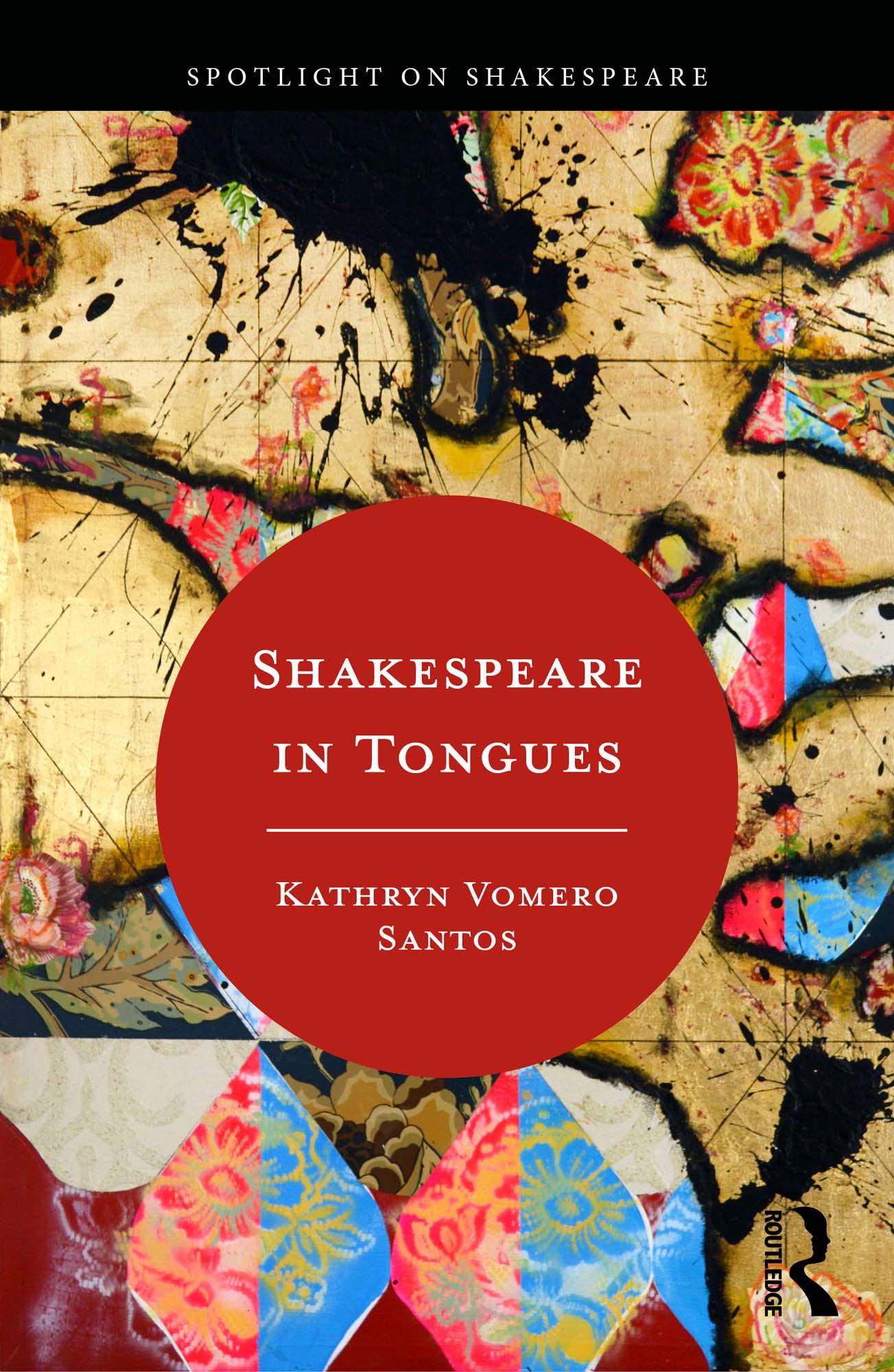
Shakespeare in Tongues interrogates the popular conflation of “the language of Shakespeare” with English by examining the role Shakespeare’s works have played in overlapping histories of colonialism, slavery, and migration that continue to shape the linguistic cultures of the United States.
Opening up urgent and overdue conversations about linguistic oppression, racism, and resistance within the settler colonial nation-state, Kathryn Vomero Santos draws our attention to artists, activists, and educators who have conjured, embraced, remade, and rejected Shakespeare in service of multilingual counternarratives that push back against dominant perspectives, refuse assimilation, and strive for more polyglot and polyvocal futures. As they shine a bright light on the legacies of the federal Indian boarding school system, Indigenous language revitalization efforts, the militarization of the U.S.–Mexico border, and battles over ethnic studies in classrooms, these critical and creative engagements with Shakespeare offer powerful examples of how his works might be used to facilitate a more truthful understanding of the past and to identify restorative paths forward.
Shakespeare in Tongues issues an imperative to redirect the material and intellectual resources that have been devoted to Shakespeare and his language toward truth, justice, and healing. This is essential reading for anyone studying or researching Shakespeare, race, translation, adaptation, and comparative literatures.
Betala smidigt med kort, Klarna, Apple Pay eller Google Pay. Är du inte nöjd har du alltid 14 dagars ångerrätt. Läs mer i våra villkor. Har du några frågor, mejla oss på hello@memmo.org.
Memmo gör det enklare att plugga – var du än är i världen. Hos oss samlar du kursböcker och smarta studieverktyg på ett och samma ställe: sammanfattningar, quiz, poddar och flashcards. Och så Ted, din studiekompis som svarar på allt du undrar. Över 50 000 studenter pluggar redan här – byggt för att du ska lära dig snabbare och stressa mindre.