
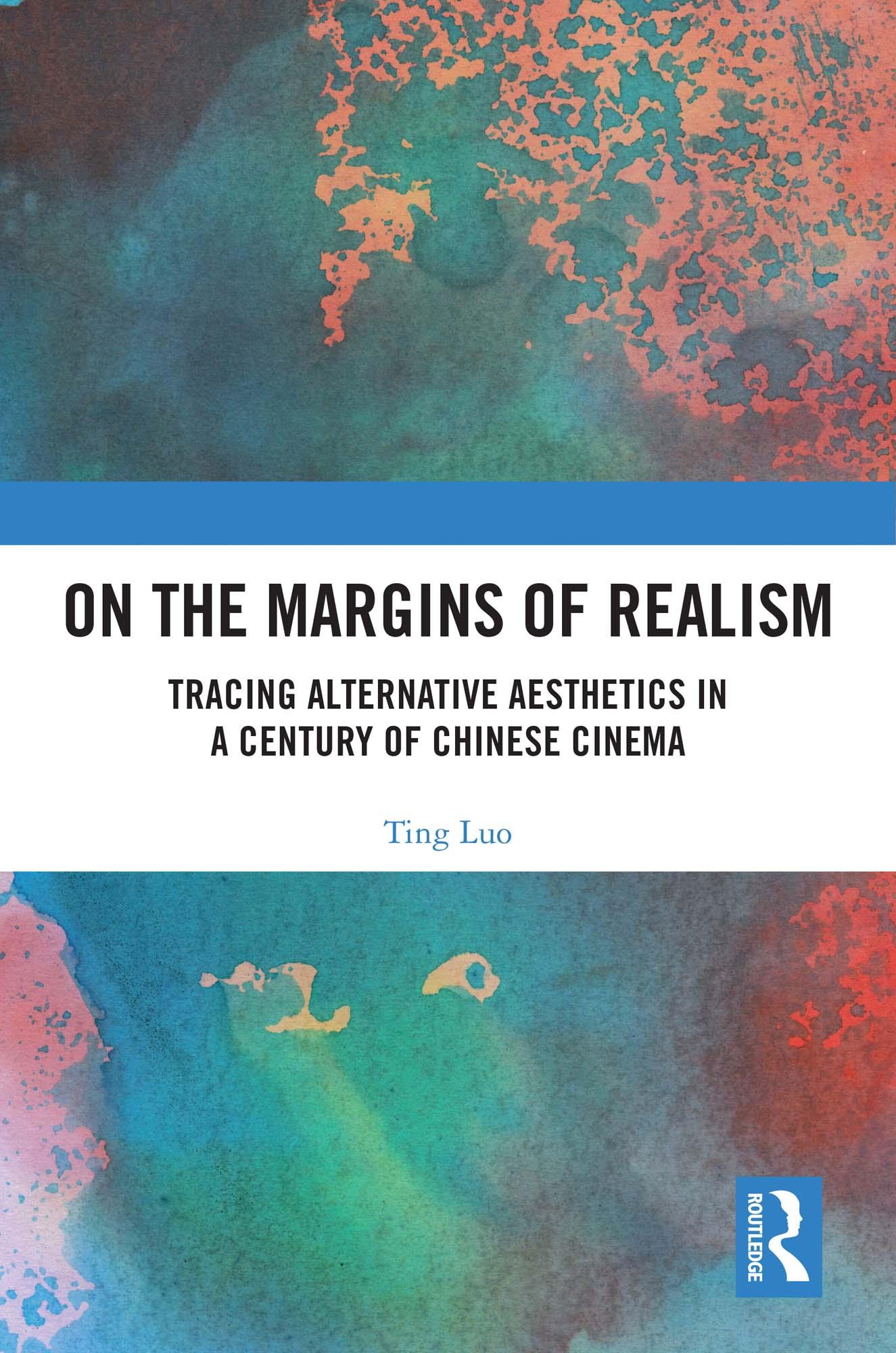
Realism has been endowed with a certain orthodox status as the aesthetic counterpart of China’s modernization, and studies of Chinese film history have largely accepted a master narrative of realism as the guiding aesthetic of mainland Chinese cinema. This book argues, however, that alternative aesthetics to realism have always existed in Chinese cinema throughout its history, from the early silent era to the new century.
The alternative aesthetics are closely linked to the indigenous Chinese ontology of cinema, namely, shadowplay (yingxi 影戲). The author presents an alternative account through a close examination of four distinct visual, narrative, and stylistic devices or themes that recur in different periods of Chinese film history: the dream representation, the doubling of characters, the device of self-reflexivity, and the allegorical construction of space. By considering specific films and scenes as problematic sites where history, politics, and aesthetics collide, this book also seeks to elucidate the relationship between cinema and the multifaceted experiences of Chinese modernity with respect to subjectivity, ideology, identity, and nationality.
This book will be of interest to scholars and students of Chinese cinemas, realism, and modernism.
Betala smidigt med kort, Klarna, Apple Pay eller Google Pay. Är du inte nöjd har du alltid 14 dagars ångerrätt. Läs mer i våra villkor. Har du några frågor, mejla oss på hello@memmo.org.
Memmo gör det enklare att plugga – var du än är i världen. Hos oss samlar du kursböcker och smarta studieverktyg på ett och samma ställe: sammanfattningar, quiz, poddar och flashcards. Och så Ted, din studiekompis som svarar på allt du undrar. Över 50 000 studenter pluggar redan här – byggt för att du ska lära dig snabbare och stressa mindre.