
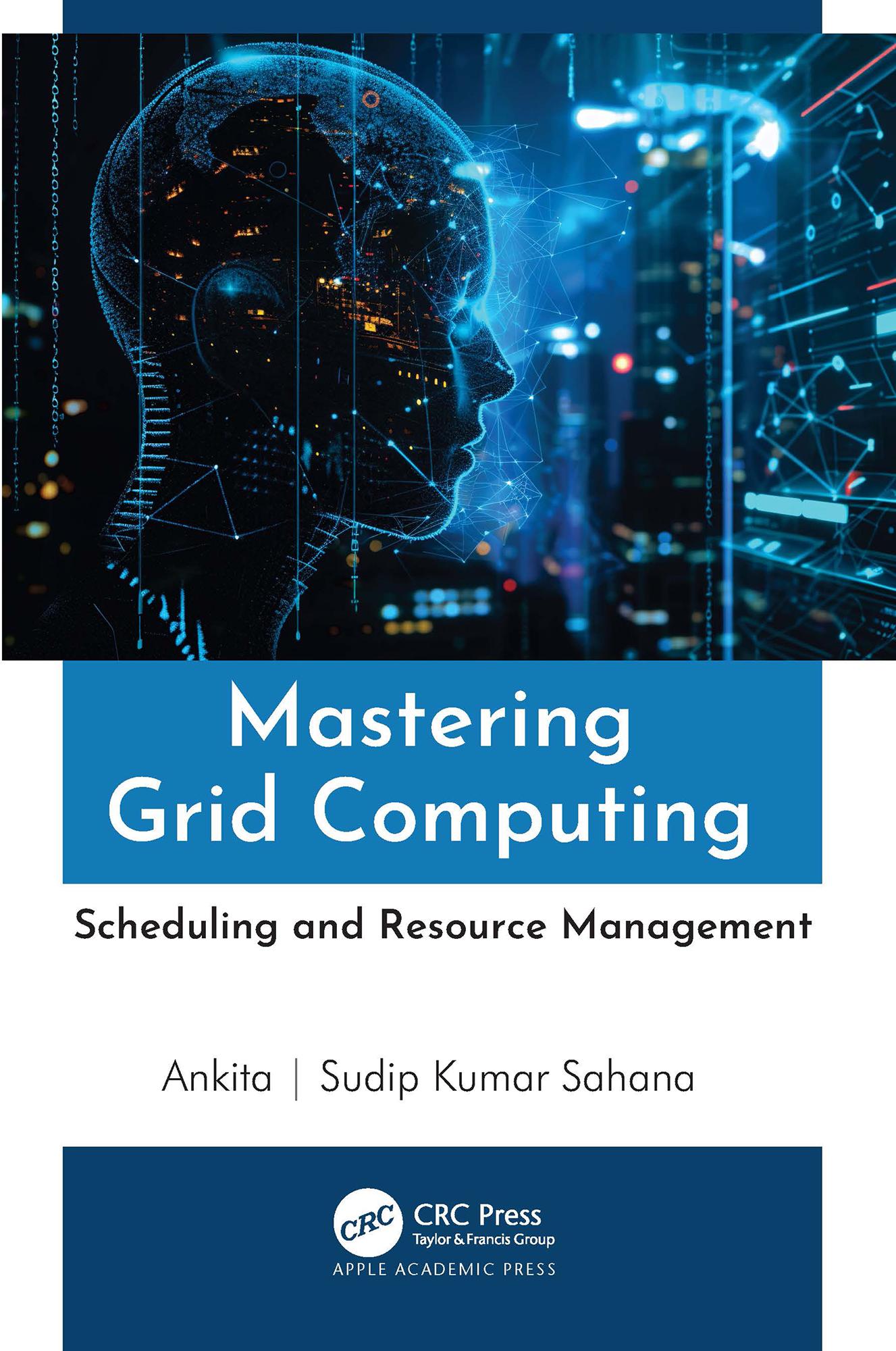
Grid computing, a computing infrastructure that combines computer resources spread over different geographical locations to achieve a common goal, is seen as an efficient solution to solve complex real-world computer problems in a shorter time. Grid computing makes it easier to collaborate with other organizations, makes better use of existing hardware, and reduces transmission congestion, leading to more efficient electricity markets, improved power quality, and a reduced environmental impact.
Highlighting the salient features of grid computing, this new book begins with the basic definition of grid and its architecture and also discusses advances to the complex hybridized model of grid computing, grid scheduling, and grid resource management. The chapters address different problems causing grid bottlenecks, the formulation of solution strategies, implementation of grid scheduling, along with case studies of grid computing. It introduces several scheduling algorithms and evaluates the efficiency of these algorithms using comparative analysis while also discussing grid simulators.
The book will be a valuable guide for new and experienced researchers and will advance their understanding of the concept of grid computing in a broader perspective. Starting from the basic definition of grid and its architecture to the complex hybridized model of scheduling, this book is a comprehensive resource on grid computing, grid scheduling, and grid resource management.
Betala smidigt med kort, Klarna, Apple Pay eller Google Pay. Är du inte nöjd har du alltid 14 dagars ångerrätt. Läs mer i våra villkor. Har du några frågor, mejla oss på hello@memmo.org.
Memmo gör det enklare att plugga – var du än är i världen. Hos oss samlar du kursböcker och smarta studieverktyg på ett och samma ställe: sammanfattningar, quiz, poddar och flashcards. Och så Ted, din studiekompis som svarar på allt du undrar. Över 75 000 studenter pluggar redan här – byggt för att du ska lära dig snabbare och stressa mindre.