
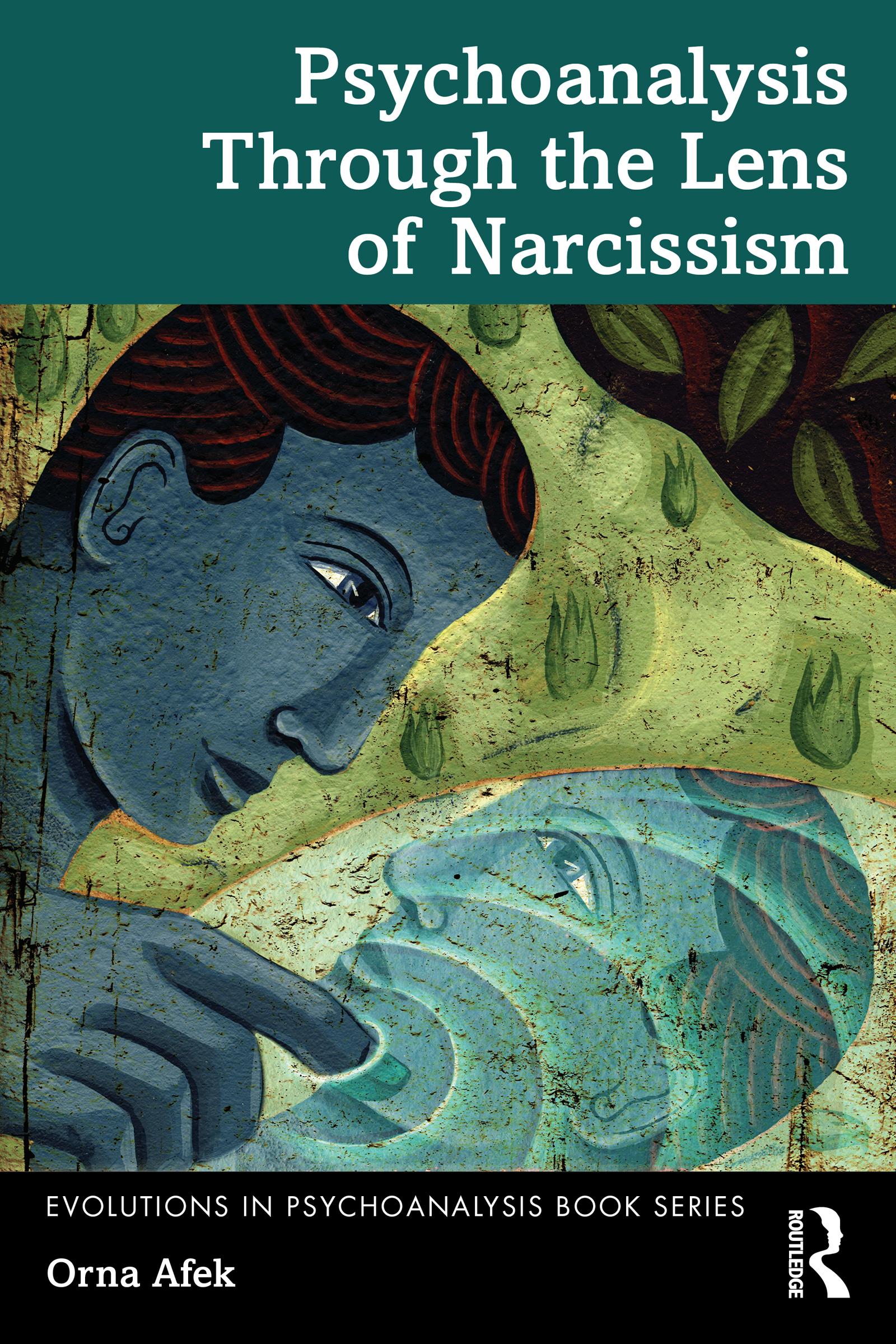
This critical historical review of psychoanalytic theory and practice reflects on the place of psychoanalysis in contemporary Western culture in light of its preoccupation with the self and associated failure to emphasize the role of close interpersonal relationships as central to the human psyche.
The elusive presence of the separate other in psychoanalytic theory is discussed vis-à-vis the life stories of Freud, Winnicott, and Kohut. The underlying narcissistic bias in the theories of these three pioneers of psychoanalysis – classical Freudian drive theory, Winnicott’s theory of the parent-infant relationship, and Kohut's theory of self-psychology – is traced back to their narcissistic personality traits, which impacted their views and perceptions and obscured the fundamental centrality of interpersonal relationships per se in the inner world of the individual, with far-reaching implications for psychoanalytic thought and practice.
With fresh insights on the subjectivity of personality theories, the core features of the narcissistic personality, and the implications of the narcissistic position for theory and clinical practice, this book will interest psychotherapists, psychoanalysts, and other professionals in the field, specifically those interested in personality diagnosis, narcissism, attachment theory, and psychotherapeutic approaches and psychoanalytic theories in general.
Betala smidigt med kort, Klarna, Apple Pay eller Google Pay. Är du inte nöjd har du alltid 14 dagars ångerrätt. Läs mer i våra villkor. Har du några frågor, mejla oss på hello@memmo.org.
Memmo gör det enklare att plugga – var du än är i världen. Hos oss samlar du kursböcker och smarta studieverktyg på ett och samma ställe: sammanfattningar, quiz, poddar och flashcards. Och så Ted, din studiekompis som svarar på allt du undrar. Över 50 000 studenter pluggar redan här – byggt för att du ska lära dig snabbare och stressa mindre.